

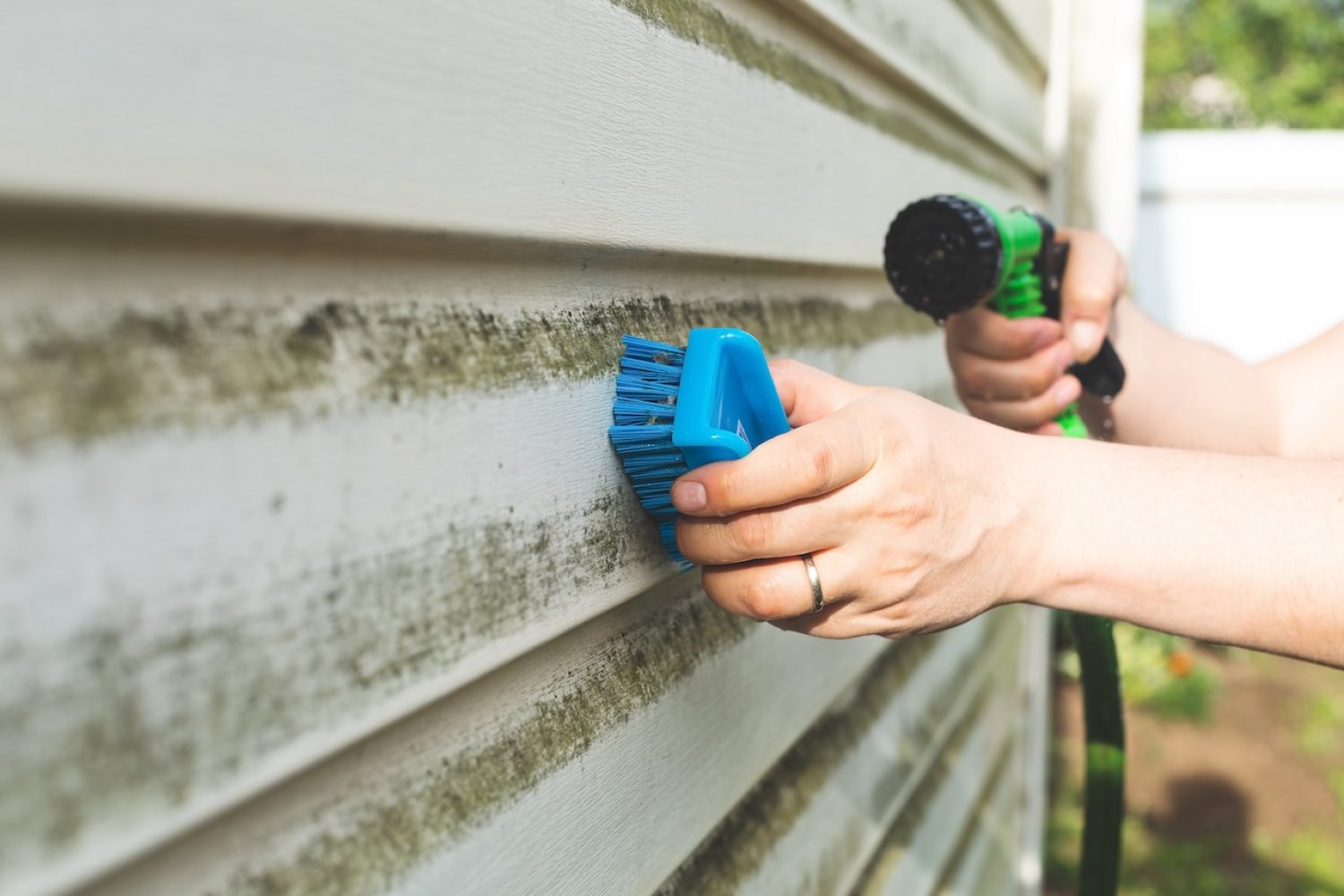
Aside from giving your home curb appeal, siding is what stands between you and Mother Nature. Without proper siding ventilation, your siding turns into a moisture trapping system. Rather than drying quickly, trapped moisture develops and causes mold, wood rot, and costly siding replacement.
Most homeowners stress about choosing between vinyl, fiber cement, or wood siding, but the bigger issue isn’t the material itself, it’s siding moisture problems. Even the highest-quality siding can fail if it isn’t properly ventilated, allowing water to get trapped behind it.
Over time, trapped moisture can lead to mold growth, aesthetic damage, and serious structural issues affecting walls, insulation, and framing. Left unchecked, these problems can result in costly repairs and even health concerns. If you want to understand how siding ventilation works and how to prevent both mold behind siding or water damage behind siding, this is the article for you.
Why Proper Siding Ventilation Matters
Siding is not just an attractive covering on the outside of your home, but it’s part of a system. Exterior wall ventilation means that there is room for air to flow behind the siding and dry out any moisture that makes its way behind siding panels.
We all know that rain is a primary cause of siding moisture problems, but so is humidity, indoor activities, and condensation – all of which can drive moisture into your wall cavity – and without ventilation to dry out wall cavities, that moisture becomes trapped. Moisture trapped behind siding leads to mold, wood rot, and damaged insulation.
Proper siding ventilation allows drying to occur. It creates the ability for any water that makes its way behind siding to dry out before causing damage. As such, siding ventilation is the foundation of how to prevent mold behind siding.
Siding Is Part of a Moisture Management System
Homeowners typically don’t think about siding moisture problems, but instead think about how to keep water out. But to understand why water damage behind siding happens, you have to look past the boards on the outside of your home.
Siding works together with:
- House wrap and siding barriers that repel water
- A siding drainage plane that sheds water
- Flashing around siding seams, windows, and doors
- Wall cavities that create airflow
All of these features create a system designed to manage moisture. If one component breaks or is installed improperly, your siding becomes vulnerable.
Even durable materials rely on this system. Fiber cement siding moisture resistance is strong, but it won’t do you much good if there’s nowhere for water to drain behind the siding.
How Poor Airflow Creates Conditions for Mold
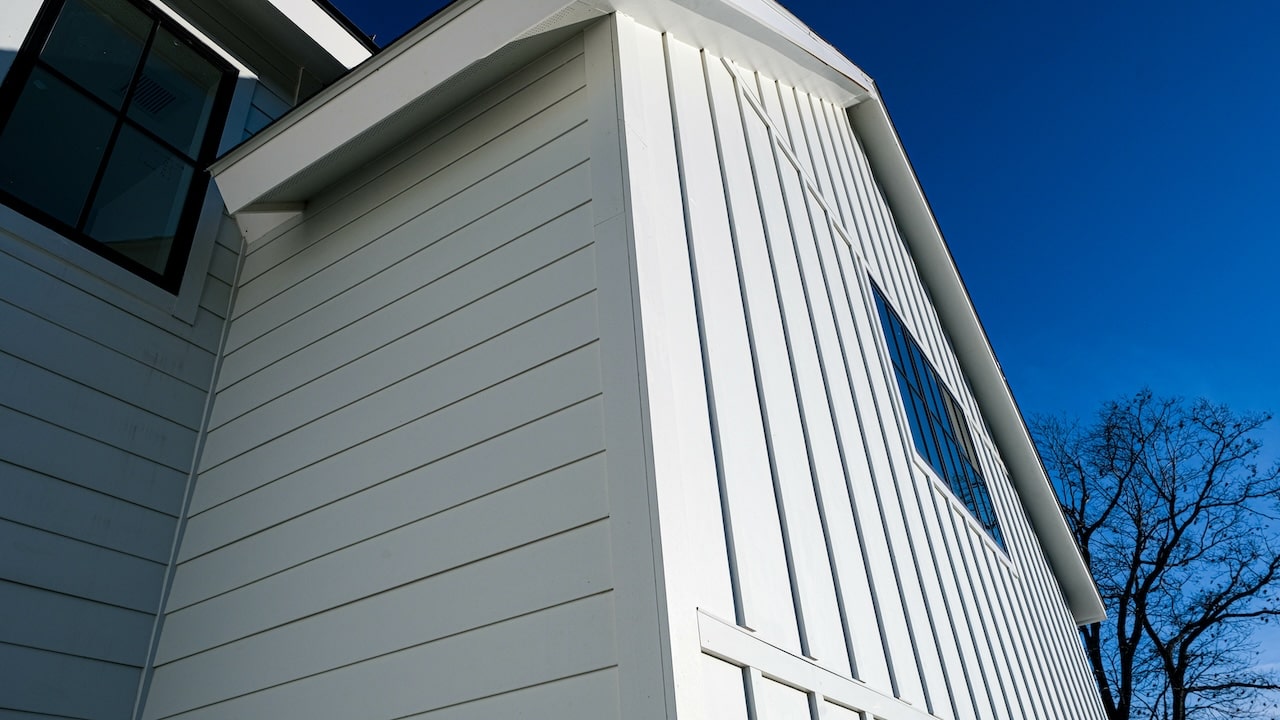
To understand siding moisture problems, you need to realize where mold thrives. Mold loves to grow:
- Behind siding panels
- Within your attic
- Behind insulation
- Inside wall cavities
Basically, anywhere that is dark and typically humid.
So how does mold get there? It comes down to airflow, or lack thereof.
When there’s no airflow:
- Indoor humidity from showers and cooking migrates into wall cavities
- Rainwater gets in through open seams
- Condensation forms when warm indoor air meets cold exterior surfaces
This all adds up to trapped moisture behind siding. And so where do you find moisture? It grows on sheathing, framing, and insulation.
Take for instance high humidity levels in homes. Moisture in the form of steam from showers or cooking often finds its way into wall cavities, and there may be little airflow in these cavities to allow the moisture to dry out. Even a tiny drip from a window seam or roof flashing can provide enough water to saturate insulation directly behind siding. If this is left for months or years, these pockets of unseen moisture begin to invite mold colonies to grow, destroying framing and causing musty odors inside while showing no visible signs on siding panels.
Because homeowners cannot see behind siding, mold can grow undetected for years. The damages from mold are typically extensive by time you notice signs of water intrusion in siding.
How Improper Siding Installation Contributes to Moisture Buildup
Sad but true, most siding installation mistakes happen when siding is installed incorrectly, trapping moisture and preventing proper drying. Step-by-step installation instructions are available in our Homeowner’s Guide to Installing Siding.
Missing or Inadequate Drainage Gaps
When there isn’t a proper siding ventilation gap, water can’t drain out. A rainscreen siding system creates space for both drainage and airflow, and without this gap, moisture sits against the wall. This is especially problematic in wet climates, leading to mold growth behind siding.
Poor Flashing Around Windows, Doors, and Trim
Most water doesn’t enter through large openings. It sneaks in behind siding where windows, doors, and trim meet.
Proper flashing around siding directs water outward. When flashing is missing or installed incorrectly, water gets trapped behind siding and causes hidden damage.
Improper Sealing That Traps Rather Than Protects
Sealants and caulking can help, but they can also hurt.
If caulk blocks drainage paths, you’re trapping water inside your siding system. Instead of protecting your home, this creates more severe siding moisture problems.
Blocked Weep Paths and Ventilation Openings
Weep holes in siding and ventilation channels allow moisture to escape. But they can become blocked by:
- Paint
- Debris
- Sealant
- Poor installation
When these escape routes are blocked, moisture builds up behind the siding.
Common Signs of Mold or Moisture Problems Behind Siding
Now that you know why moisture is a problem, how do you spot it early?
Exterior Warning Signs
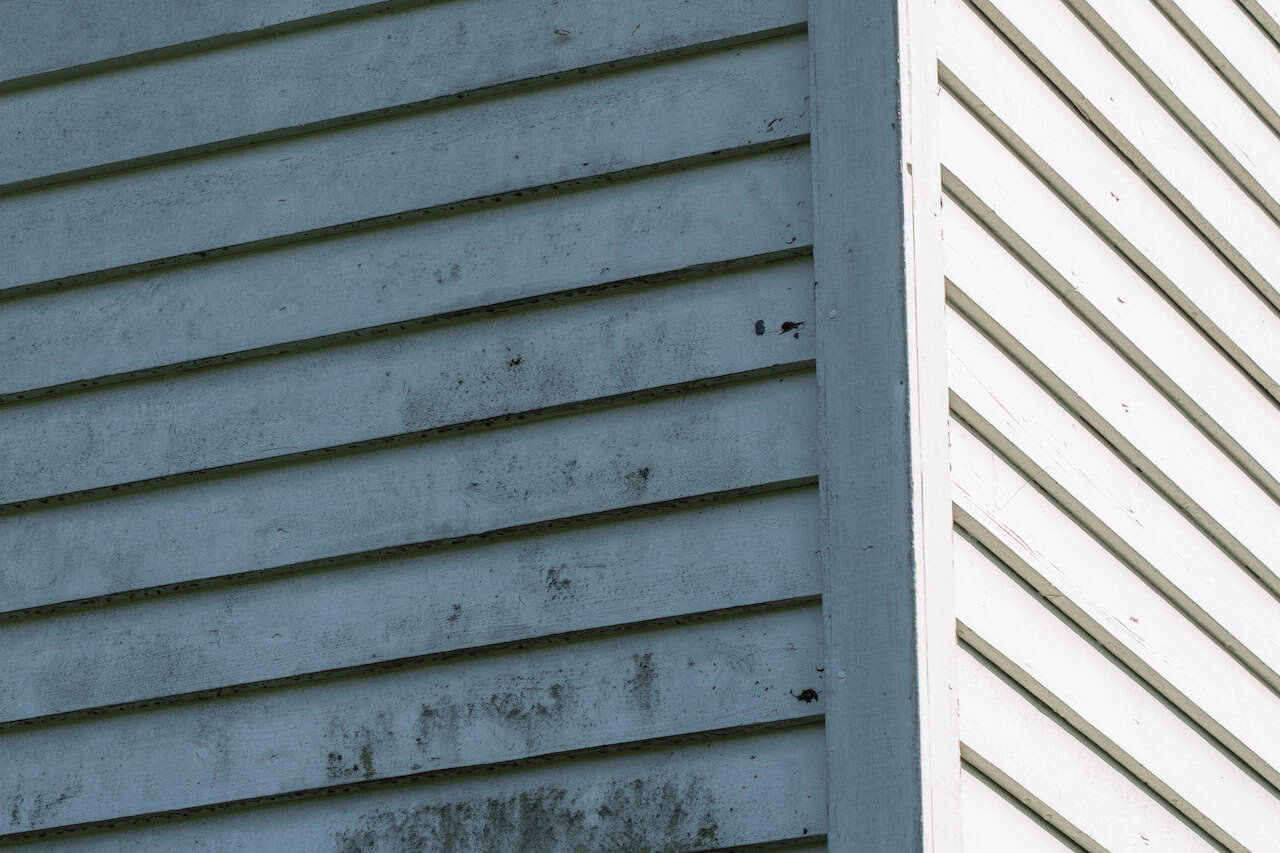
Look for these indicators of siding moisture problems:
- Warped or buckling siding
- Panels that don’t line up
- Stains or discoloration
- Peeling paint
- Swollen trim
- Loose panels
- Mildew-like spots
These are all common signs of water intrusion in siding.
Interior Warning Signs
Moisture issues often show up inside your home:
- Musty odors near walls
- Damp or soft drywall
- Peeling paint or wallpaper
- Bubbling paint
- Increased allergy symptoms
These may point to mold growing within your wall system.
Why Hidden Mold Often Goes Undetected
Chances are you won’t see mold during a siding inspection for moisture damage, and that’s because mold is growing behind siding on sheathing, insulation, or framing. This is why routine inspections and early intervention are important components of siding mold prevention tips.
Which Siding Materials Handle Moisture Best?
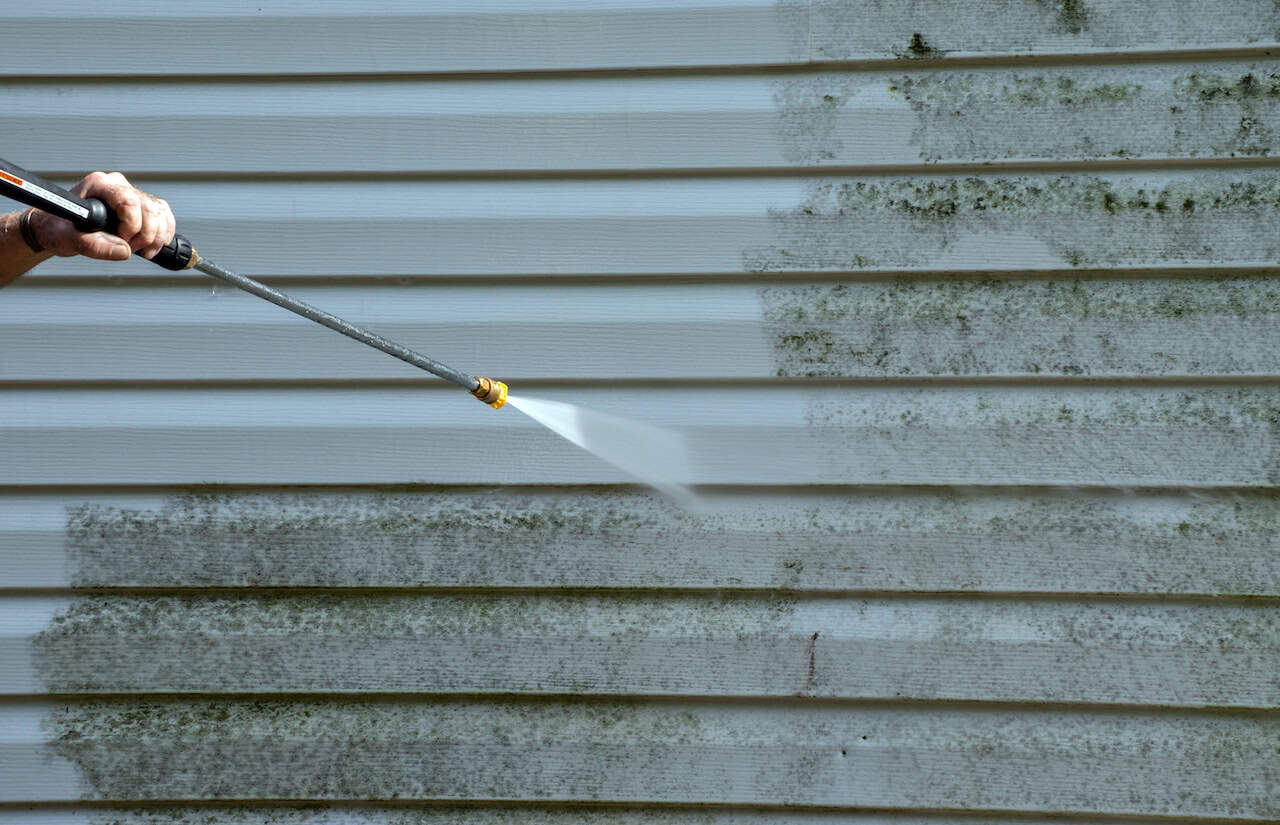
Don’t be alarmed but there’s no such thing as a waterproof siding material. Every option available has its own set of strengths and weaknesses. To compare pros and cons, see our Vinyl vs Fiber Cement Siding Guide.
Vinyl Siding and Ventilation Considerations
Vinyl siding ventilation can be effective because panels are not installed flush against the wall, allowing for airflow and drainage through these tiny gaps. Just note that vinyl siding can still trap moisture and cause water damage if not installed properly.
Fiber Cement Siding and Moisture Resistance
Fiber cement siding repels moisture quite well as it’s very moisture resistant. However, it still requires good flashing, drainage, and ventilation to prevent moisture issues behind the siding.
Engineered Wood and Traditional Wood Siding
Wood siding requires additional care with moisture. If airflow and drainage are poor it will mold or rot much faster. This means proper venting and upkeep are essential.
Best Practices to Improve Siding Ventilation and Prevent Mold
Knowing how to prevent mold in exterior walls starts with proper installation and maintenance.
Here are practical siding mold prevention tips:
- Use high-quality house wrap and siding barriers to block water while allowing trapped moisture to escape
- Install proper flashing, including kickout flashing, to direct water away from vulnerable areas
- Consider a rainscreen siding system to improve airflow and drying
- Keep weep holes, bottom clearances, and ventilation gaps unobstructed
- Inspect siding regularly after storms, heavy rainfall, or seasonal temperature swings
- Keep gutters clean and ensure downspouts direct water away from the home
- Trim bushes or landscaping to prevent moisture buildup and improve airflow around siding
Taking small preventive measures like these, along with proper installation and ventilation, can decrease your chances of hidden mold and water buildup behind siding panels.
If you have to repair water-damaged siding, call in water restoration services if serious mold is present. Black mold may have had a chance to spread to the inside of your walls if water has been ponding for some time, and long-term moisture can lead to damaged wall insulation and framing. Consult your homeowners’ manual if your siding is worn out or water damaged. If your siding is older or has water damage, learn whether resealing or replacing your siding is the better option. Deciding between siding repair or replacement depends on the extent of moisture damage.
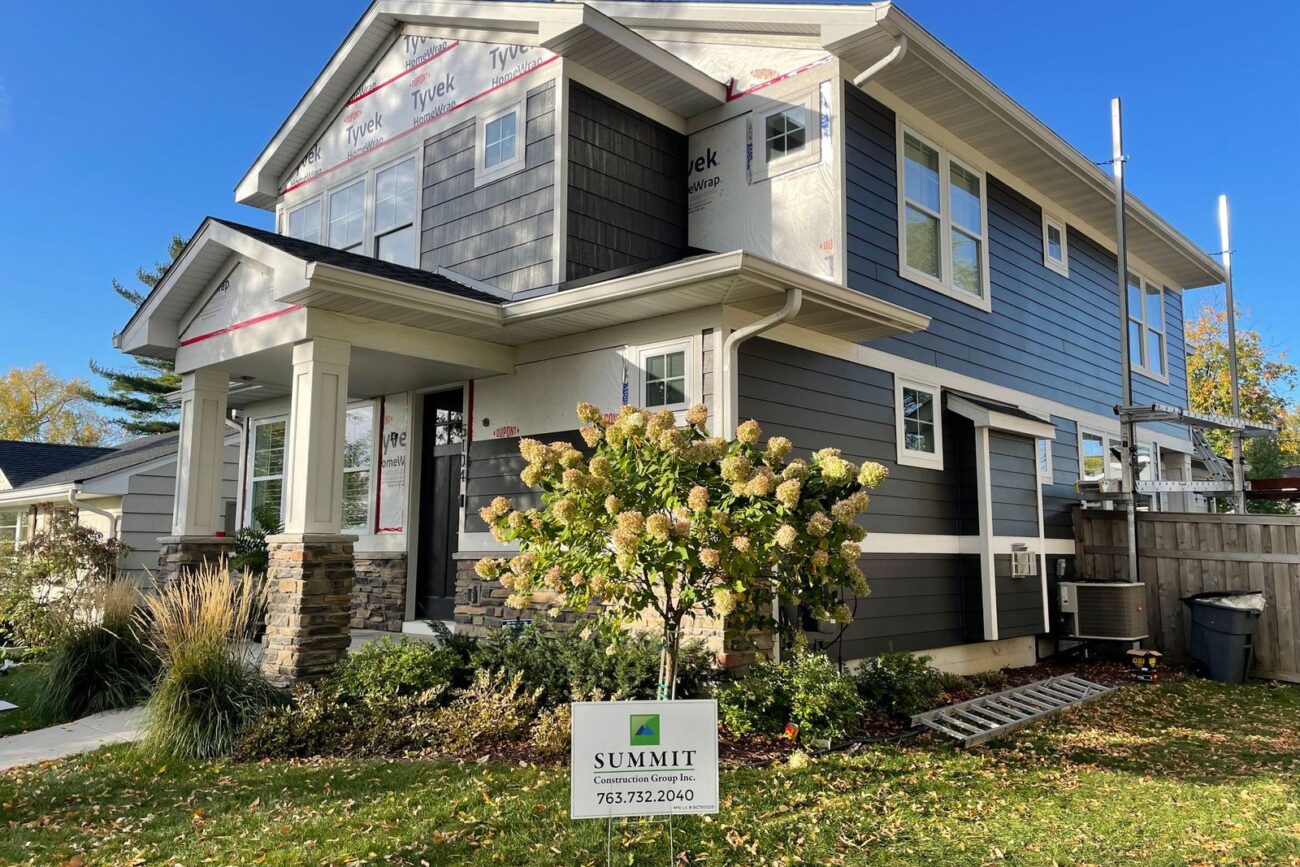
How Proper Siding Ventilation Protects Your Home Investment
Proper siding ventilation prevents mold and protects your home long-term.
It helps:
- Reduce costly repairs and water damage
- Extend siding lifespan
- Improve indoor air quality
- Maintain energy efficiency
Beyond reducing structural risk, proper ventilation helps with comfort in the home. Cavities that stay dry maintain their ability to insulate, improving heating and cooling efficiency. Walls and ceilings without moisture help prevent odors and allergens from becoming trapped inside your home. The end result is a healthier home environment for your family and protection of your long-term investment.
Siding ventilation can also affect your energy efficiency. Wet or damp insulation trapped behind siding can decrease R-value, driving up heating and cooling costs. A properly functioning siding drainage plane and airflow behind siding panels allow your walls to dry efficiently, and lets your system perform as designed. Proper ventilation can extend siding life and help you understand how long siding lasts.
Don’t Let Poor Ventilation Undermine Your Siding
We’ll keep it simple: siding should shed water, dry, and protect your home. When siding ventilation and drainage are compromised, the best material can fail. If you see indicators your siding has failed and water is making its way into your home, call the professionals immediately. The longer you wait, the more damage you’ll have to fix.
Siding ventilation is easily one of the most overlooked ways to protect your home. Do it right and you’ll avoid mold growth, prolong your sidings lifespan, and have a healthier, more comfortable home. For professional inspection or installation, consult our siding services page.