

If you’re researching DaVinci roof costs for a Minnesota home, you’re already thinking like a long-term homeowner. DaVinci Roofscapes, now a division of Westlake Royal Building Products, specializes in high-end synthetic slate and shake roofing products that are engineered to exceed the durability and storm protection of natural roofing materials.
This guide breaks down DaVinci roof installation cost ranges, key pros and cons, and how DaVinci compares to asphalt shingles, natural slate, and cedar shake so you can make the right call for your home.
What Is a DaVinci Roof?
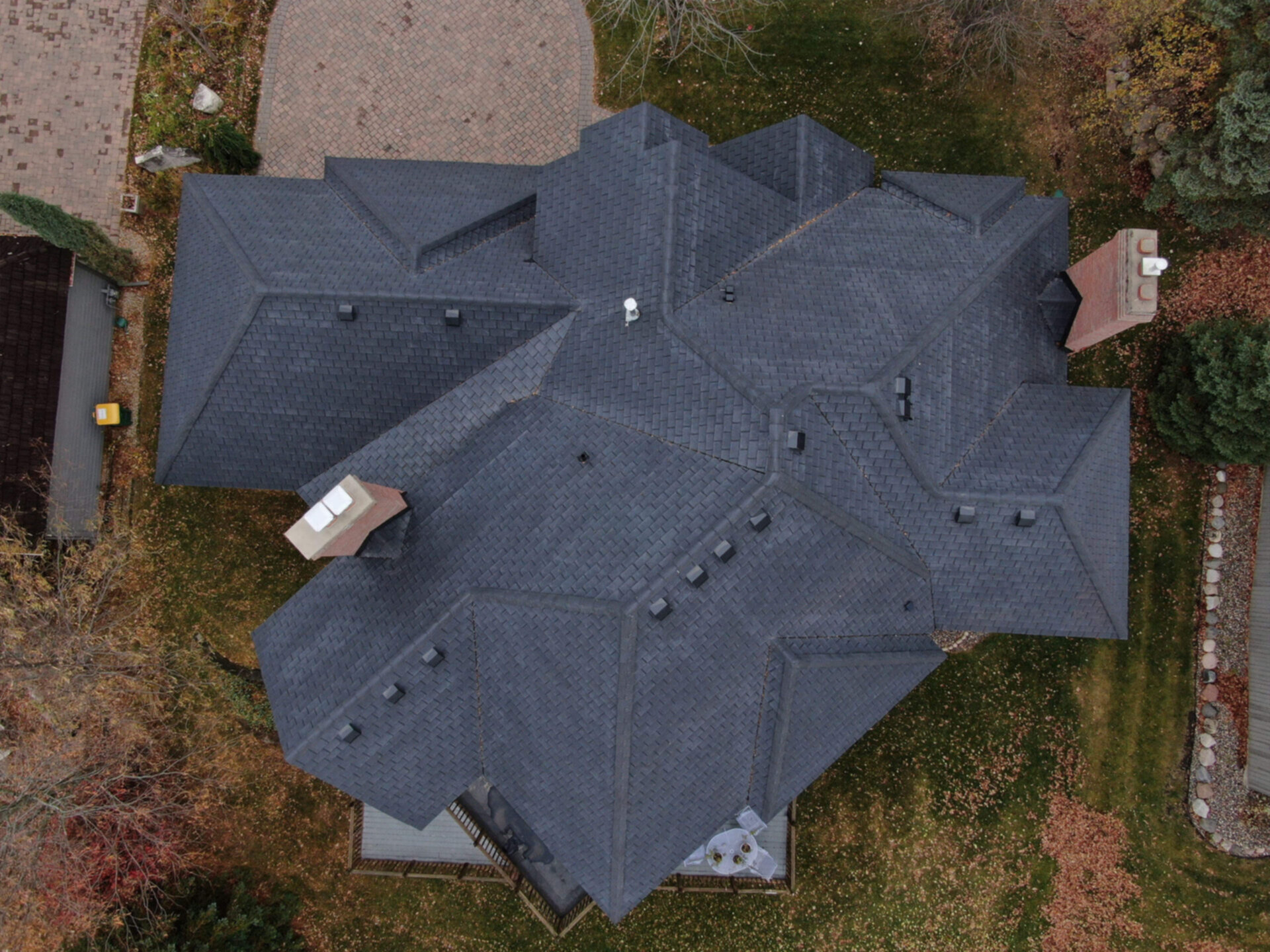
One of the most well-known manufacturers in synthetic slate roofing is DaVinci Roofscapes. Their engineered composite roofing material is meant to mimic natural slate and cedar shake.
The product line covers two main profiles: synthetic slate and synthetic shake. Both are manufactured with virgin resins, UV stabilizers, and integrated fire retardants, and engineered for performance rather than assembled from recycled material.
DaVinci Slate vs. DaVinci Shake
A DaVinci slate roof is designed to resemble quarried stone slate, but offers a more streamlined, flat profile. Available in single- and multi-width styles, slate roofing works well with formal designs like Colonial, Tudor Revival and traditional custom homes.
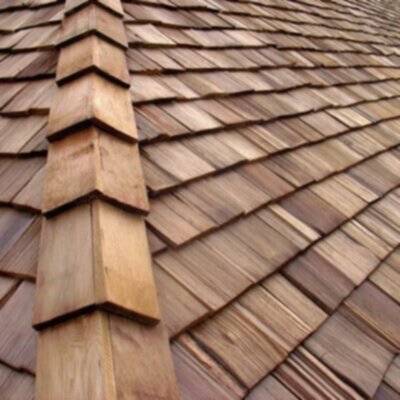
A DaVinci shake roof provides the look of hand-split cedar shakes without the wildfire risk, and without the possibility of rot and upkeep needed of wood.
Discover all of Summit Construction’s synthetic slate and shake roofs to compare your options.
What Are DaVinci Roof Tiles Made Of?
Composite slate roofing like DaVinci qualifies for both a Class 4 impact resistance rating and a Class A fire rating that many natural slate roofs and lower grade synthetic roofing materials don’t qualify for.
Manufactured using virgin resins and UV stabilizers (not recycled content like many composite roofing shingles), DaVinci’s tiles are able to maintain color consistency and provide a long lasting roof. While remaining aesthetically identical to natural building materials, DaVinci roofs are more durable throughout Minnesota’s freeze/thaw cycles, heavy snowfalls, and summer hailstorms.
How Much Does a DaVinci Roof Cost?
The DaVinci roof cost is the first question most homeowners ask. It’s a premium roofing system, and the investment is significantly higher than standard asphalt shingles.
Average DaVinci Roof Cost Per Square Foot
Installed DaVinci roofing approximately runs $14-$20+ per square foot, depending on the product line, roof complexity, and local labor rates. Some contractors quote on average as low as $10-$12 per square foot for straightforward installations, while premium multi-width slate profiles or steep-pitch roofs can approximately push past $20 per square foot installed.
DaVinci Roof Cost by Roof Size
The table below shows estimated installed cost ranges for common Minnesota home sizes, based on typical material and labor costs.
| Roof Size | Estimated Installed Cost | Notes |
| 1,500 sq. ft. | $21,000-$30,000+ | Smaller homes, simple pitch |
| 2,000 sq. ft. | $28,000-$40,000+ | Average Minnesota home |
| 2,500 sq. ft. | $35,000-$50,000+ | Larger home or complex roof |
| 3,000 sq. ft. | $42,000-$60,000+ | Custom/luxury home |
Note: Estimates include tear-off, underlayment, flashing, and standard labor. Complex roofs with multiple valleys, chimneys, or skylights will trend toward the higher end.
Factors that influence DaVinci Roof pricing include:
- Product line: Slate profiles are generally more expensive than shake. Multi-width tiles cost more than single-width.
- Roof pitch and complexity: A roof with a steep pitch and/or multiple chimneys and other roof features will require additional labor and safety equipment.
- Tear-off and disposal: Adding the cost of removing an existing roof is typically $1-$3 per square foot.
- Decking repairs: If there’s rotted or damaged sheathing, it will be replaced and you’ll need to pay additional costs for repairs.
- Ice and water shield: This is a required roof covering throughout Minnesota, and not optional.
- Flashing: Chimneys, skylights, valleys, and step flashing will add to material and labor costs.
- Local labor rates: Labor rates in the Twin Cities metro area are higher than outstate Minnesota.
- Custom colors or special-order profiles: Customization may involve longer lead times and cost more.
Benefits of DaVinci Roofing
Premium Curb Appeal
Arguably the most realistic looking synthetic roofing material on the market is DaVinci. The multi-width style slate tiles have an obvious dimensional depth that you don’t often see with other brands. The color blends are mixed on a singular tile, not just throughout an area, which gives the roof variation and complexity.
DaVinci shingles are also available in dozens of color blends that suit just about any home. For a high-end home in a competitive Minnesota market, that little detail can make a difference.
Strong Hail Resistant Roofing
DaVinci products are certified Class 4 impact resistant shingles under UL 2218 testing, which is the highest rating available and one that many Minnesota insurers recognize with a premium discount. This can partially offset the higher upfront cost, but always check with your insurer before installation.
Class A Fire Rating
Recognized as Class A fire rated roofing materials, both DaVinci slate and shake have passed ASTM E108 testing. That’s an important fact to remember when weighing your options against the Class C rating of untreated cedar shake.
Low Maintenance Roofing
Natural cedar shake requires periodic cleaning, sealing, and treatment to resist rot, moss, insects, and splitting. Natural slate, while extremely durable, can crack from impact or freeze-thaw stress and requires specialist repairs. DaVinci tiles do not rot, split, crack, or attract insects.
Read about the economics of roof maintenance and how regular upkeep saves you money.

Lighter Than Natural Slate
Natural slate weighs approximately 8-10 lbs. per square foot, which often requires structural reinforcement before installation. This is an added cost many homeowners don’t anticipate. DaVinci synthetic slate weighs approximately 1.25 lbs. per square foot, making it compatible with standard residential framing without structural modifications in most cases.
Long Lifespan and Warranty Protection
DaVinci offers a lifetime limited material warranty on slate products. With proper installation and routine maintenance, a DaVinci roof is engineered to perform for 40-50+ years, which is well beyond the typical 20-30 year lifespan of asphalt shingles.
Choosing DaVinci roofing can be better for the environment if sustainability is one of your considerations. Its longevity and infrequency of replacement means a lower lifetime impact on the environment compared to roofing materials with a shorter lifespan. Find out where DaVinci compares by checking out our guide on the most sustainable roofing materials.
DaVinci Roof Disadvantages
If you search for DaVinci roofing pros and cons you’ll quickly find most articles list the same basic tradeoff: higher initial cost for superior lifespan, reduced maintenance, and upscale appearance. Below are some truthful cons to keep in mind prior to purchasing DaVinci.
Higher Upfront Cost
This is the primary disadvantage, and the one that eliminates DaVinci from consideration for many homeowners. At approximately $14-$20+ per square foot installed, DaVinci costs significantly more than dimensional asphalt shingles, which typically run $4-$8 per square foot installed in Minnesota. For a 2,000-square-foot roof, that’s on average a potential gap of $15,000-$25,000 or more. The long-term value case is strong, but the short-term budget impact is real.
Not the Best Fit for Every Budget or Situation
DaVinci may not be the right call if you’re selling the home within five years, managing a rental property, replacing a roof on a home whose value doesn’t support the investment, or working with a strict budget where asphalt shingles are the more practical choice.
Requires an Experienced Installer
DaVinci is a high-end roofing system that requires proper installation techniques for optimal appearance, performance, and warranty purposes. A poorly installed DaVinci roof can lead to alignment problems, loss of warranty protection, or performance deficiencies. There are Minnesota roofing contractors who don’t have the right experience installing DaVinci roofing systems, so always ask for examples of completed projects before hiring.
Product Availability and Lead Times
Special colors, special order profiles, or multi-width blends may take longer to arrive than standard shingles. Standard asphalt shingles are typically in stock at local distribution centers. If you are working with a specific timeline, confirm product availability with your contractor prior to deciding on colors/profiles.
Synthetic Materials May Not Satisfy Every Buyer
Certain customers look for real slate or real cedar shake for aesthetic reasons, for resale value to certain buyers, or simply because they want it. DaVinci truly mimics real slate and shake, despite not being real slate and shake. If getting the “real thing” is more important than saving maintenance costs or having a lighter weight roofing system, then choose natural slate or natural cedar shake.
DaVinci Roof Cost vs. Other Roofing Materials
Price-wise, DaVinci roofing falls between slate and traditional asphalt roofing. However, when looking at beauty, strength in a storm, and low maintenance together, DaVinci outperforms both.
DaVinci vs. Asphalt Shingles
When homeowners compare asphalt shingles vs. DaVinci, the gap is a difference in expected lifespan, storm performance, and long-term cost of ownership. For homeowners focused on the lowest possible roof replacement cost, asphalt remains the practical choice.
DaVinci vs. Natural Slate
Natural slate has a life expectancy of 75-100+ years, but it’s substantially more expensive to install, may require structural reinforcement, and needs specialist repairs if single tiles become cracked/delaminated or loose. DaVinci slate is lighter in weight, less expensive to install, simpler to repair, and provides a comparable look for most homes.
DaVinci vs. Cedar Shake
Cedar shake has natural beauty but high maintenance requirements and a shorter lifespan than its premium price suggests. Potential problems include rot, insects, fire hazard, and re-treatment every few years. DaVinci shake provides that same look with better fire rating, no rot problems, and drastically reduced maintenance.
| Material | Typical Cost | Lifespan | Maintenance | Best For |
| Asphalt shingles | Lowest | 20-30 yrs | Moderate | Budget-conscious homes |
| DaVinci roof | Premium | 40-50+ yrs | Low | High-end curb appeal & durability |
| Natural slate | Highest | 75-100+ yrs | Moderate/high | Historic luxury homes |
| Cedar shake | Premium | 20-30 yrs | High | Natural rustic appearance |
Is a DaVinci Roof Worth It?
The short answer is that it depends on your home, your plans, and your priorities. There’s no simple yes or no answer that fits everyone. Here are some things to consider when deciding if a DaVinci roof is worth the investment for you.
DaVinci roofing is worth it if:
- You plan on staying in your home long enough to enjoy 40-50+ years of roofing performance.
- You love the look of natural slate or cedar shake, but don’t want to deal with the maintenance.
- You live in an area that is prone to hail and want Class 4 impact resistance.
- You’re tired of replacing your aging cedar shake or natural slate roof and are looking for a lower maintenance option.
- Your home’s value will justify the premium investment.
If you’d like to learn more about financing a new roof, we’ll explain seven options you should consider.
DaVinci may not be worth it if:
- You need the lowest possible roof replacement cost
- You plan to sell the home within a few years
- The home’s value or neighborhood doesn’t support a premium roofing investment
- You prefer authentic natural slate or cedar shake over a synthetic alternative
Best Homes for DaVinci Roofing in Minnesota
Luxury and Custom Homes
DaVinci sits at the top of the residential roofing market alongside natural slate and standing seam metal as luxury roofing materials that meaningfully contribute to home value and curb appeal on high-end properties.
Check out our guide to picking the perfect color roof for your home.
Traditional and Historic Homes
Tudor Revival, Colonial, Craftsman, and classic style lake homes benefit from DaVinci’s depth of texture and variation in color across individual tiles, which are virtually indistinguishable from natural material at ground level. This is a feature that matters for historic homes and neighborhoods.
Roofs Previously Comprised of Cedar Shake or Natural Slate
For homeowners replacing aging wood roofs, synthetic cedar shake roofing eliminates the recurring costs of treatment, sealing, and rot repair that make real cedar expensive to own over time.
Questions to Ask Your Roofing Contractor About DaVinci Roofing
Can I install a DaVinci Roof On My Home?
Before installing synthetic slate or shake roofing, make sure your roof can handle it. Your roofing contractor should evaluate your decking, roof framing, roof ventilation, and roof pitch.
Read More: The Role of Ventilation in Extending Roof Lifespan
Which Profile Should I Pick? Slate, Shake, or Something Else?
Decide if you want slate or shake roofing, then single-width or multi-width style tiles. Multi-width slate has wider color variation and tends to be seen as the premium profile. Your best bet is having your contractor show you pictures of completed local DaVinci roofs in similar lighting conditions.
What Should My Written Estimate Include?
If your estimate includes tear-off and disposal, decking repairs, ice and water shield, underlayment, flashing, ridge and hip caps, ventilation upgrades, permits, cleanup, and warranty paperwork up front, you’re in good shape.
Will My Contractor Install It Correctly?
Summit Construction Group has installed thousands of squares of DaVinci roofing throughout Minnesota. Ask to see completed DaVinci projects before signing a contract.
To Install DaVinci Roofing Material or Not To? That is the Question
DaVinci offers one of the strongest combinations of curb appeal, impact resistance (Class 4), fire rating (Class A), low-maintenance, and lightweight-on-your-roof structure we’ve seen.
For a Minnesota roof replacement on a home with cedar shake, natural slate, or aging asphalt, DaVinci is worth a serious look, especially if your home is in a hail corridor or you plan to live in your home long term.
If you want to learn more about DaVinci roofing prices, contact Summit Construction Group today.
Frequently Asked Questions
How much does it cost to install a DaVinci roof?
Most homeowners pay around $14-$20+ per square foot installed. Based on the average Minnesota home, a full roof replacement would be projected somewhere between $28,000 and $40,000+. Only a site visit can provide an accurate estimate.
What’s the downside of a DaVinci roof?
A DaVinci roof costs significantly more than asphalt shingles. Additionally, finding an experienced installer is important, and you may need to wait on lead times for custom colors or profiles.
What are the advantages of DaVinci roofing?
A DaVinci roof dramatically ups the game compared to standard asphalt shingles due to its natural slate or cedar shake look. Class 4 impact resistance, Class A fire rating, low maintenance, its light weight compared to real slate, and a limited lifetime warranty on materials are all pros.
Is DaVinci roofing better than asphalt shingles?
If you want the best curb appeal and plan on staying in your home for years to come, DaVinci is a much better long-term value than basic asphalt shingles. However, if you’re looking to save money upfront, asphalt is the clear winner.
Is a DaVinci roof good for Minnesota?
Yes. DaVinci is well suited to Minnesota’s climate. It has a Class 4 impact rating, making it one of the better roofing materials to have during hail season. It’s also engineered to handle freeze/thaw cycles better than natural slate or cedar shake.
Does DaVinci roofing look like slate?
Yes. You can thank dimensional texture, natural variation in color between tiles, and profile depth for that. Multi-width slate is particularly difficult to distinguish from real slate once installed.