

Does your house feel drafty in winter? Too hot in summer? Do you have one room that never seems to stay warm no matter how high you turn up the heat? Old windows might be the problem. Over the years, it’s easy to forget about windows, but they gradually lose their insulating properties, ability to seal tightly, and capacity to reflect heat. Drafty windows can also increase your energy bills without you realizing why.
New windows may be ideal, but they rarely are the quickest or easiest solution. Energy efficient window treatments will typically allow you to stop drafts, insulate better, and feel comfortable again in the quickest, least disruptive way while prolonging the life of your current windows.
Here’s how window aging leads to poor energy efficiency, what exactly goes wrong at the glass and frame, and what energy saving window treatments can improve your home, specifically in cold climates like Minnesota.
Why Do Old Windows Decrease Energy Efficiency?
Windows are one of the weakest links in any home’s thermal envelope. Often, multiple problems arise at once:
Air Leaks
Older windows often become drafty. These gaps can appear where the frame meets the house, along the sash, or behind interior window trim. Years of expansion and contraction with changing seasons can cause materials to shift or seals to dry out.
This doesn’t just make your rooms less comfortable, it wastes money. Your furnace or AC has to run longer to maintain temperatures if conditioned air constantly escapes through broken windows and doors.
Here’s what you can do as a homeowner:
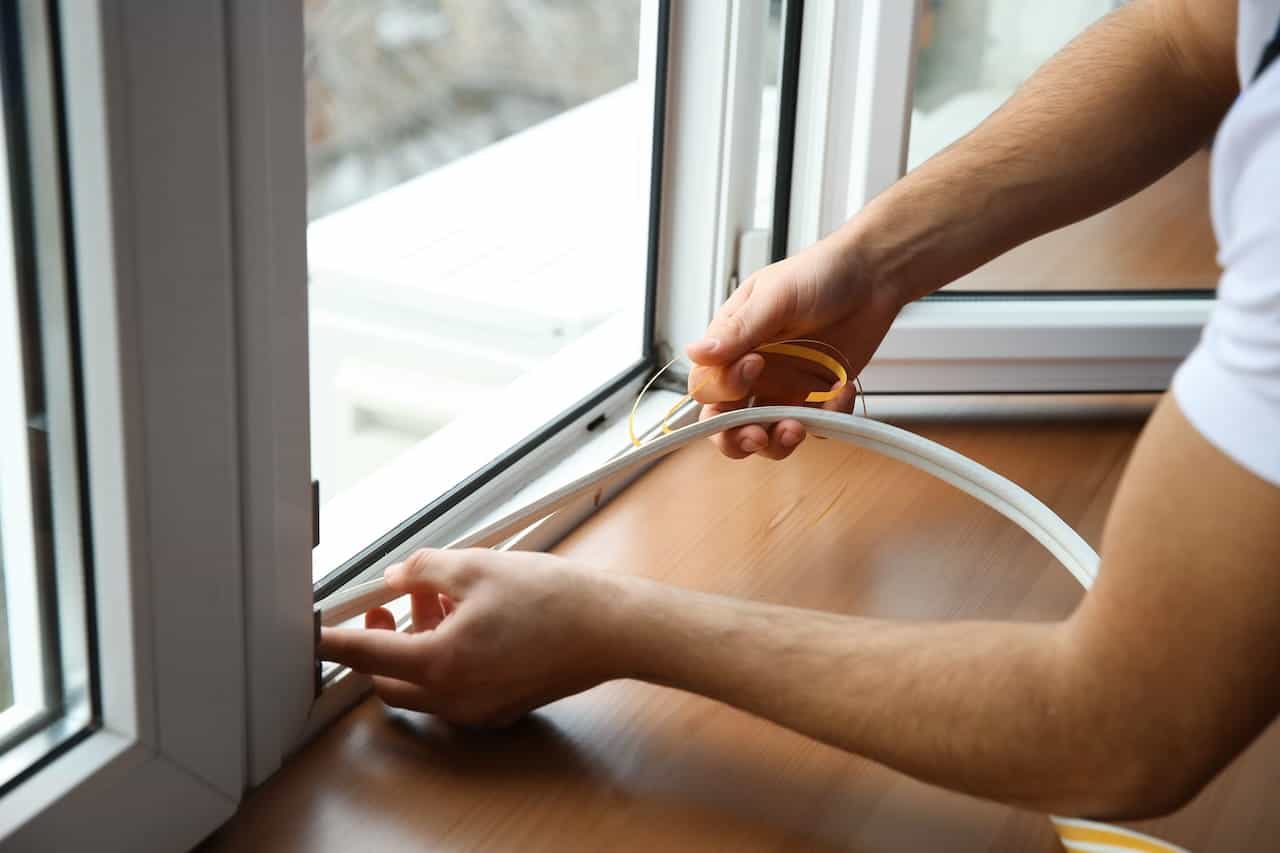
- Window weatherstripping replacement for worn or brittle seals
- Window caulking gaps along trim or frame joints you can access
What your contractor can do:
- Perform full structural air sealing behind trim
- Repair or reinstall window frames
- Identify leaks using a blower door test drafts
Drafty window quick fixes, like temporary sealant strips or DIY insulation film, can provide immediate relief while you plan longer-term solutions.
Seal Failure Between Window Panes
Have you noticed fogging or condensation between your window panes? That’s a sign the insulating seal has failed. Air, or in most cases, argon gas, has escaped, drastically reducing the window’s insulation value. While this doesn’t always require replacement, it can make your rooms less comfortable and does contribute to window condensation prevention issues.
Cold Window Glass
Energy loss can also occur in non-drafty windows. Cold panes can make rooms feel colder than they actually are, due to radiant heat loss. Heat is drawn from the room into the cold window pane, leaving the space feeling cooler than the thermostat setting.
This is why cold windows in winter solutions matter for comfort, even when air leakage is under control.
How Much Do Old Windows Impact Energy Costs?
Drafty windows affect comfort, but they also make your whole house work harder to maintain your preferred temperatures.
- Cold air entering through broken windows, spaces, or doors forces your indoor temperature to drop
- Your heating or cooling system runs longer to compensate
- Your energy bill rises, and you wonder why your home still feels cold
- One cold room can drag down thermostat settings because sensors average the temperature of the whole house
It’s hard to believe but even one window can impact your energy bills.
Window Treatments to Stop Drafts and Heat Loss
There are a number of window solutions that can improve insulation and reduce heat loss. While some require professional installation, many can be done by homeowners.
These include:
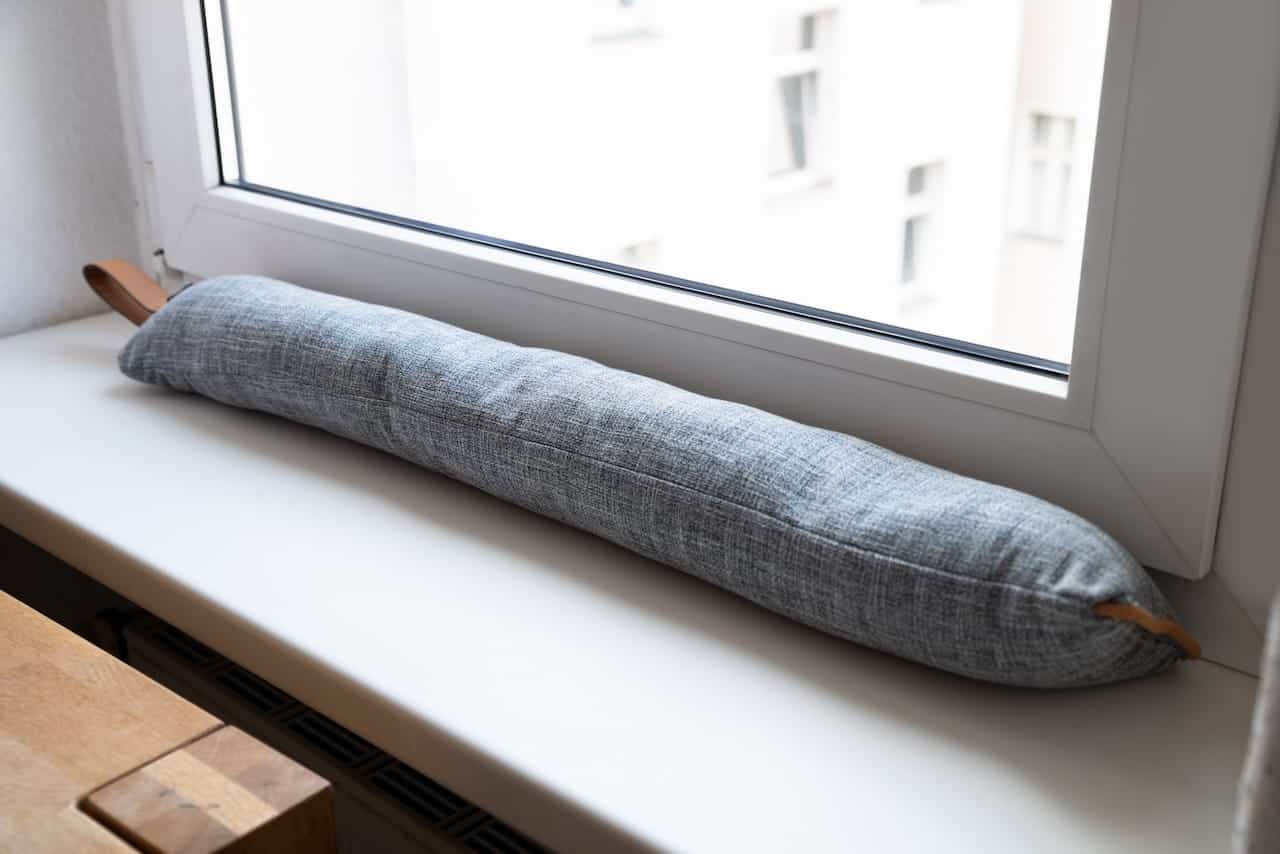
- Caulk gaps you can see and access
- Replace cracked or weathered window weatherstripping
- Install window covering heat loss reduction solutions
- Add temporary window insulation film
Some window problems may require professional assessment:
- A home energy audit windows focused on identifying problem areas
- Infrared camera window leaks detection
- Moisture and frame condition evaluation
A professional energy audit helps determine which energy efficient window treatments will be most effective for your home. Understanding these key window performance metrics can help you interpret your audit results and choose the right treatments for maximum comfort and efficiency.
Window U-factor explained: This measures how well a window insulates. The lower the U-factor, the less heat escapes in winter.
SHGC meaning windows: The Solar Heat Gain Coefficient (SHGC) indicates how much solar radiation passes through the glass. A lower SHGC reduces summer heat gain, while a higher SHGC allows more passive solar heat during winter.
Windows and Their Effect on the Environment
Losing heated or cooled air forces your energy system to work harder, and subsequently, increased energy costs more and affects the planet. Many of the fastest reductions in greenhouse gas emissions come from reducing air infiltration and creating a better interior thermal barrier on your windows.
Replacing every window in your home often achieves less environmental impact than treating your windows with the right solutions.
The Best Energy Efficient Window Treatments
Window treatments can prevent drafts, decrease radiant heat loss, and keep summer sun at bay without costing you an entire window replacement.
Cellular Shades (Honeycomb Shades)
The energy savings from cellular shades result from the honeycomb cell structure. This structure traps air, creating a durable insulating barrier.
Benefits:
- Strong cellular shades insulation
- Provide measurable honeycomb shades insulation
- Available in light-filtering or blackout options
- Ideal for bedrooms, home offices, and living rooms
Thermal Curtains with Side Seals
Thermal curtains for winter, especially when installed with side tracks or wraparound rods, maximize heat loss reduction.
Insulating curtains vs blackout curtains:
- Blackout curtains block light but aren’t always insulating
- Thermal curtains include linings to improve energy performance
Window Insulation Film
Window insulation film adds a layer of air between the window and your room.
When to use it:
- On extremely drafty windows
- Temporary situations or rentals
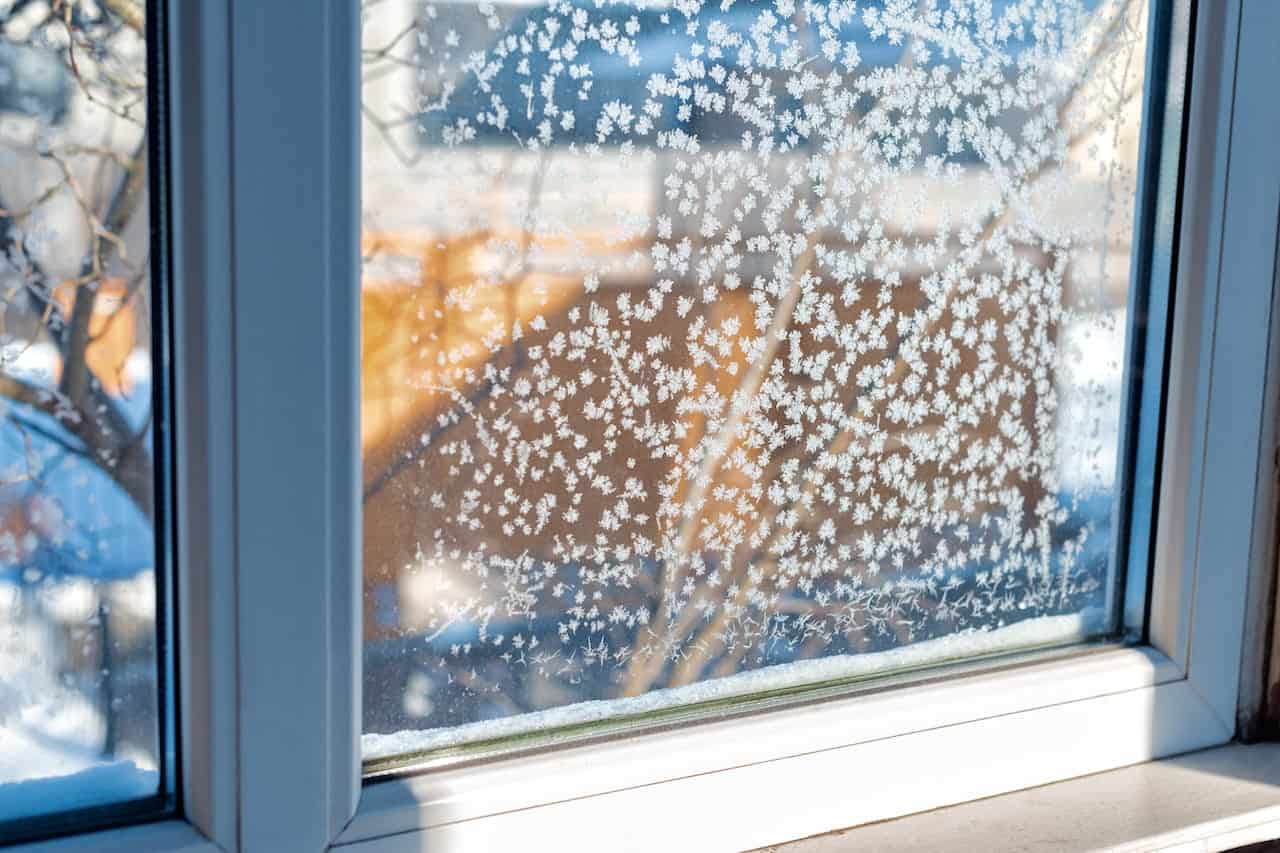
- Frozen windows needing a short-term fix
Don’t:
- Install on large windows you open frequently
- Practice poor installation that can trap moisture and worsen window condensation prevention
Interior Storm Windows
Low-e storm windows installed on the interior add a removable secondary pane on the inside of your home.
Why they’re effective:
- Strong air sealing, comparable to replacement
- Particularly effective for Minnesota winter window tips
DIY vs Hiring a Professional
Many window problems respond well to strategic window treatments. However, some require professional attention or indicate the need for replacement:
- Rotting frames, persistent water intrusion, or major seal failures
- Safety or egress concerns
- Installing interior storm windows or advanced insulation
How to Decide Which Window Treatment Works Best
Need help deciding? Use this simple guide:
- Drafty edges?: Seal gaps and choose snug-fitting window treatments or side tracks.
- Cold glass?: Install cellular shades or thermal curtains to create an insulating air barrier.
- Rooms too hot in summer?: Use summer heat blocking window shades with reflective or solar-control properties
- Large windows?: Combine interior storm windows with cellular shades for ultimate insulation.
Make Your Old Windows More Energy Efficient
Old windows don’t have to be inefficient. Start with air sealing, add insulation, then add energy efficient window treatments to block heat loss, filter light, and improve room comfort.
Learn more about your options at Summit Construction Group or contact us directly for professional advice.
Have other questions? Check out our Window FAQs which cover common concerns and solutions.
With the right treatments, older windows can perform better, keeping your home comfortable and energy-efficient year-round.