

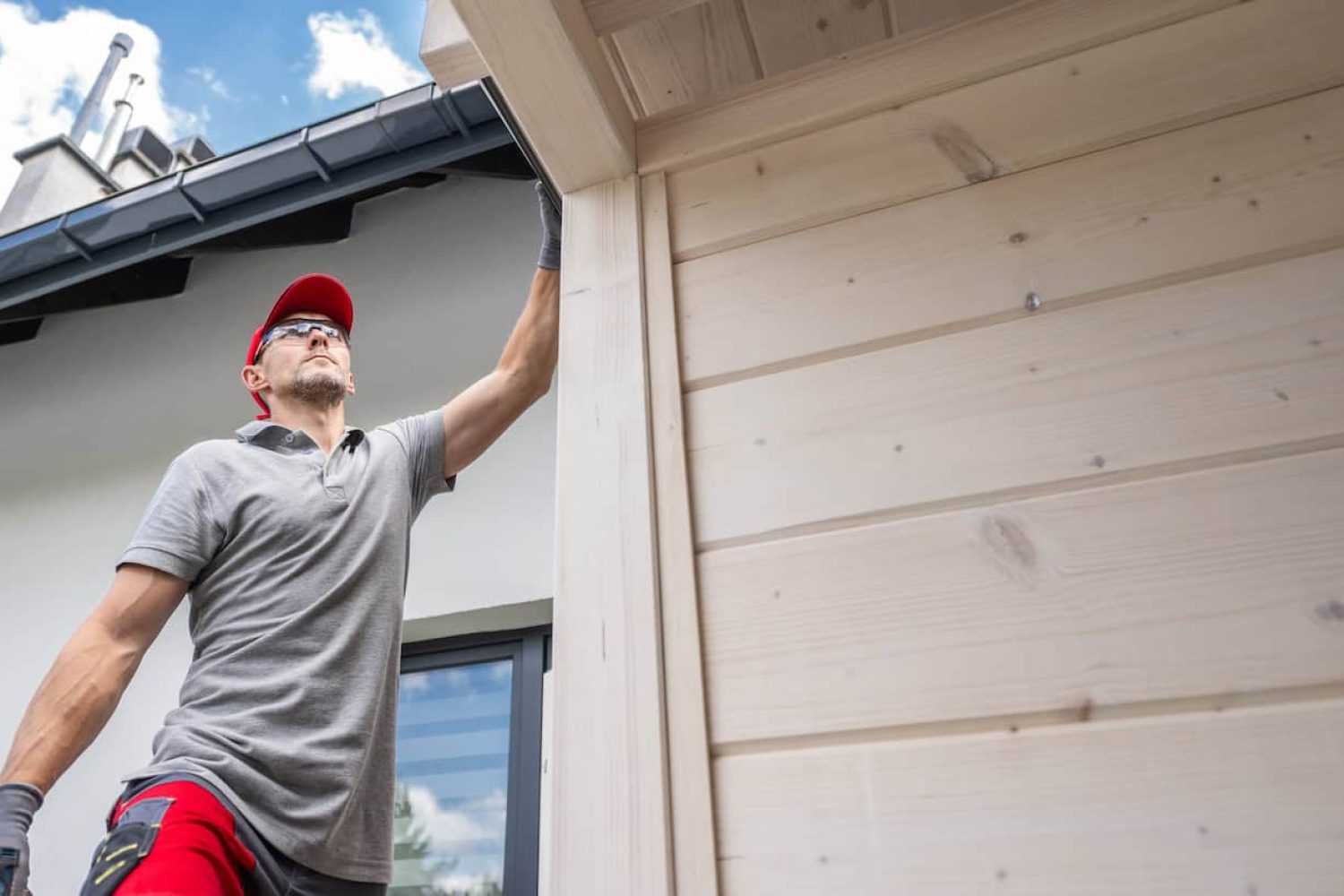
“How long does siding last?” and “Is my siding near the end of its life?” are common questions homeowners ask. They are important questions to have answers for in order to avoid expensive and time-consuming repairs later on, and to determine what kind of maintenance is needed to make siding last.
Siding durability has an impact on energy efficiency, moisture control, and even structural integrity. Knowing the expected lifespan of siding materials can help homeowners budget for future repairs or replacements before minor issues escalate into major expenses. Regular inspection and maintenance can prolong the life of siding and protect your property’s investment over time.
Siding is made of different materials with a range of qualities. The most common are vinyl, wood, fiber cement, and metal. Each one has varying expected lifespans, strengths, vulnerabilities, and required care.
In this guide, we’ll cover the average and maximum expected siding lifespan of each material, as well as what to look out for as it nears the end of its life, and the maintenance routines that can help your siding last longer. Understanding how long siding is supposed to last is a critical part of managing your home’s maintenance, planning for future projects and expenditures, and keeping moisture and energy loss at bay.
Average Lifespan of Siding by Material
Different siding materials have different lifespans, and it’s important to note that “lifespan” is different from the manufacturer’s warranty. A warranty typically covers only certain defects or failures, not all potential problems.
While the quality of the materials used in your siding matters, siding’s lifespan is more likely to be determined by proper installation, your local climate, and maintenance routines. For more information, see our Homeowners Siding Installation Guide.
| Material | Typical Lifespan Range | Biggest Threats | Maintenance Level |
| Vinyl | 20-40 years | Impact, heat, poor installation | Low |
| Cedar (Wood) | 25-40 years | Moisture, pests, sun exposure | Moderate |
| Fiber Cement | 30-50 years | Cut edges, caulk failure, paint wear | Moderate |
| Steel | 40-70 years | Corrosion, scratches, hail | Moderate |
| Aluminum | 30-50 years | Oxidation, dents | Moderate |
These numbers are just averages, since the climate where you live, the quality of the siding installation, and homeowner maintenance all drive the lifespan of siding further up or down the scale. For instance, vinyl siding in a hot, sunny climate may fade and warp more quickly than it would in a cooler, shadier climate. Cedar that is constantly exposed to moisture and not properly sealed will break down much faster.
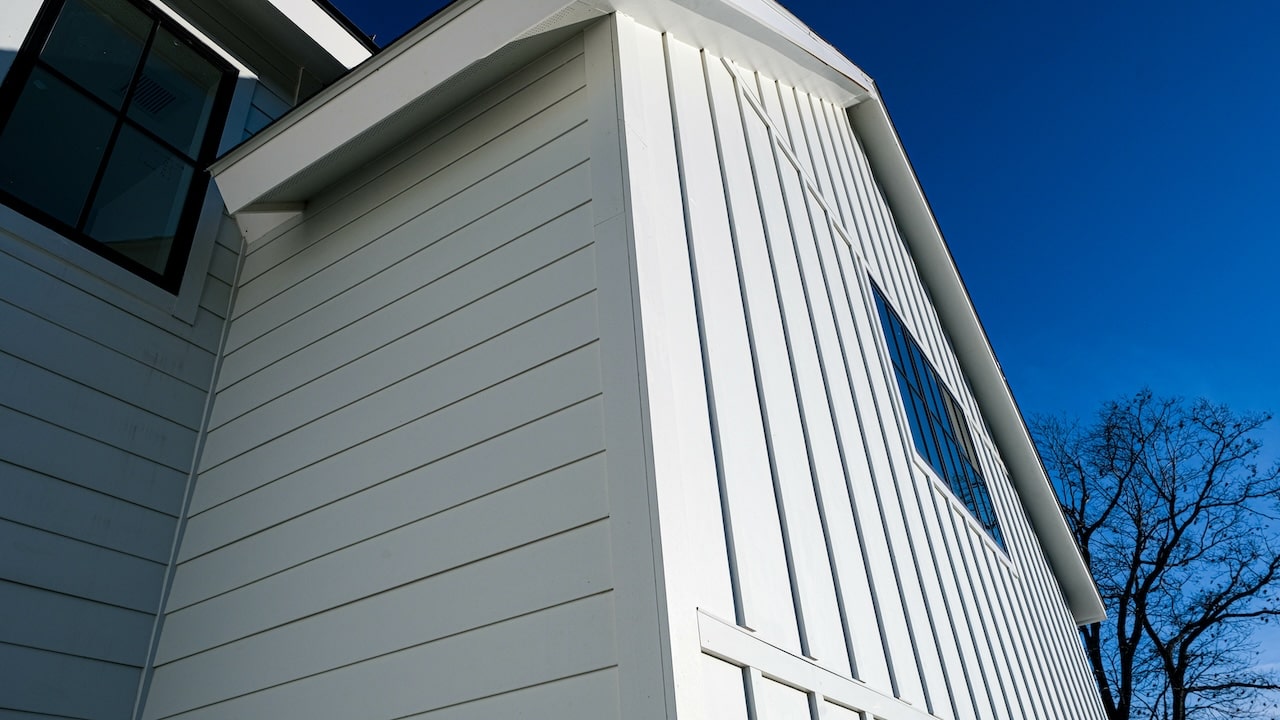
What Affects Siding Lifespan No Matter What Material is on the Wall
Even high-quality siding can fail early if these key factors are not addressed:
Installation Details
- Good flashing, quality fasteners, and proper water management are critical
- Gaps or poorly installed trim or “caps” can allow water to get behind siding and cause rot or corrosion over time
- Siding should always be installed with manufacturer-recommended clearances from windows, doors, rooflines, and the ground
Climate Stress
- Freeze-thaw cycles, wind-driven rain, and high sun exposure can degrade siding
- Vinyl may warp and sag in high heat, cedar may crack or fade, and metal may corrode if coatings are compromised
Drainage and Landscaping
- Avoid pools of water near the foundation or sprinklers spraying walls directly
- Water directed at a wall for years can lead to moisture damage behind siding and rot
- Use proper grading, splash blocks, and trim bushes away from walls to prevent siding rot
For more tips on moisture and energy management, see our blog post on the Best Energy Efficient Siding Options.
How Long Does Vinyl Siding Last?
The typical vinyl siding lifespan is 20-40 years. Vinyl is one of the most popular siding materials for homeowners because of its low-maintenance requirements, resistance to rot and pests, and wide range of colors and styles.
Strengths of Vinyl
- Resistant to moisture and insects
- Does not require painting or staining
- Can last for decades with minimal care if installed correctly
Risks That Shorten Its Life
- Vulnerable to impact (hail, debris)
- Heat can warp panels in direct sunlight
- Improperly nailed or loose panels
- Areas around windows, doors, and rooflines require careful detailing
It’s important to note that quality of work around corners and rooflines can shorten the life of vinyl siding, as vinyl can easily trap water behind panels, hiding mold or damage to the supporting wall structure. While the vinyl will not rot, prolonged neglect of these areas can lead to much more extensive and costly repairs than regular maintenance.
Maintenance Basics
To extend and maintain vinyl siding, practice the following regularly:
- Clean using water and a mild detergent
- Inspect seams, joints, and panels at least annually
- Keep sprinklers away from siding to avoid constant moisture
Learn everything there is to know about vinyl siding on our Vinyl Siding page.
How Long Does Cedar Siding Last?
The typical cedar wood siding lifespan is anywhere from 25-40 years with regular maintenance.
Wood siding is popular for its natural appearance, repairability, and durability. If you’re interested in wood siding for your home, read more about the different options and installation methods on our Wood Lap & Shake Siding page.
Strengths of Cedar
- Provides a beautiful, natural appearance
- Damaged areas are repairable without replacing entire panels
Risk Factors
- Moisture exposure, sun damage, peeling paint, and pests
- Rot occurs when water penetrates behind siding
Maintenance That Matters
- Repaint wood siding every 5-7 years
- Caulk and seal siding around trim and joints
- Inspect annually for rot or warping
Cosmetic issues, like peeling paint, can easily be fixed; however, structural issues like soft spots due to moisture, require attention. If this issue is left unaddressed, the wall may need a costlier fix such as a replacement. Stay ahead of these types of problems with routine checks. We have a practical step-by-step tutorial in our Reseal or Renew Siding blog post.
Fiber Cement Siding Lifespan and What Usually Goes Wrong First
The typical fiber cement siding lifespan is 30-50 years. Fiber cement is durable, fire and rot-resistant, and requires less maintenance than wood.
Strengths of Fiber Cement
- Resists pests, moisture, and fading
- Customizable in texture and color
Common Weak Points
- Cut edges susceptible to moisture
- Caulk joints may fail
- Improper clearances around windows and doors
- Paint or finish deterioration
Inspection Tips
- Inspect rooflines, window penetrations, and siding edges annually
Always examine the areas around windows, doors, and trim where fiber cement siding is joined. These joints are usually caulked, and the caulk will eventually shrink and crack over time. Also, fiber cement is susceptible to chipping if hit with flying debris. As part of your regular maintenance, look for small cracks or chips that could allow water intrusion. For more guidance on fiber cement siding, see our James Hardie Siding and Vinyl vs. Fiber Cement Siding pages.
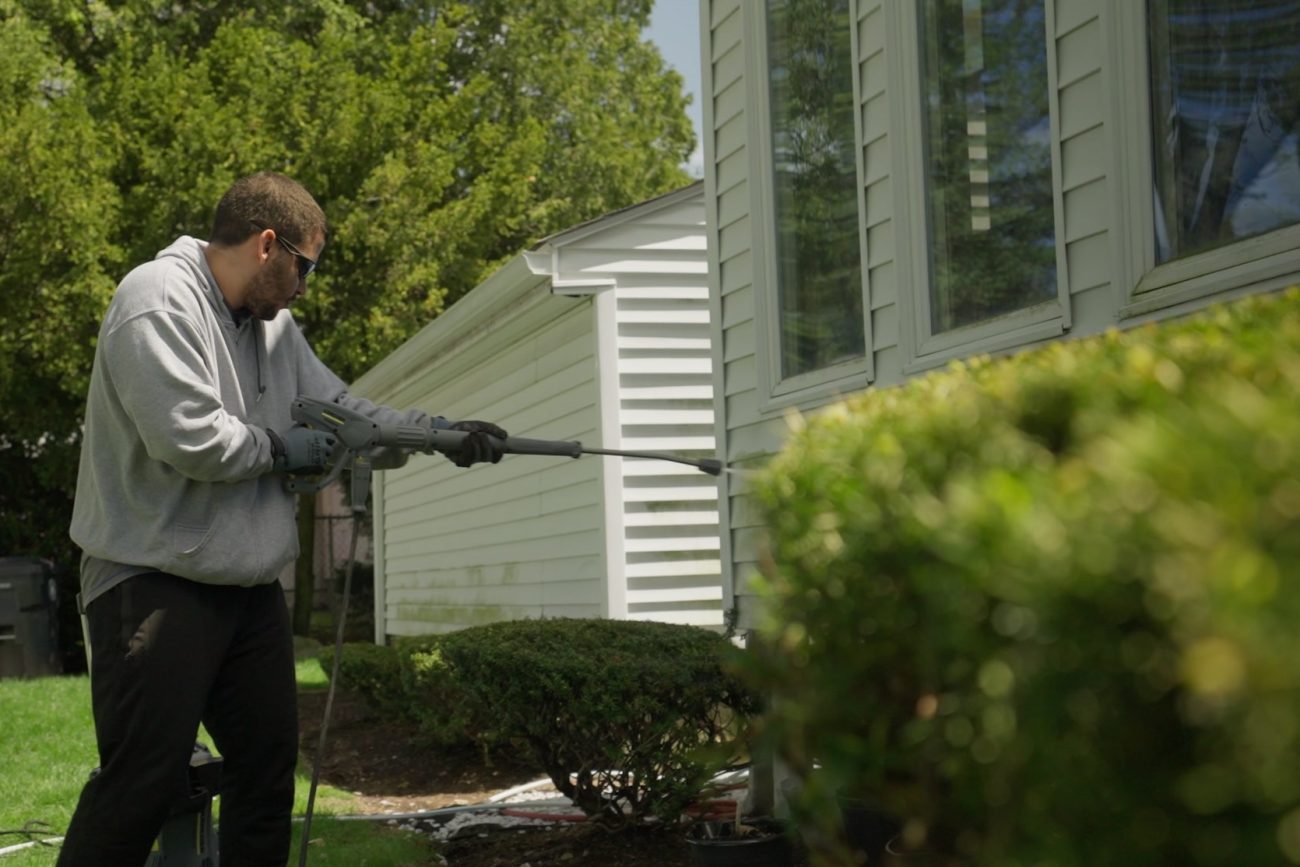
Metal Siding Lifespan (Steel and Aluminum)
- Steel siding lifespan: 40-70 years with protective coatings; scratches or dents can compromise performance
- Aluminum siding lifespan: 30-50 years; older installations may experience oxidation and denting
Maintenance
- Inspect coatings and touch up scratches
- Check fasteners and seams
- Remove debris that can trap moisture
Steel siding is coated in a rust-proof coating at the factory. Scratches or dents can damage this coating, which can lead to rust. Aluminum siding doesn’t rust but can oxidize, dent easily, and may show visible damage in hail-prone regions. Homeowners should check their siding once a year by walking the perimeter of the house for damaged areas, and making sure all fasteners are still secure. Check out our Steel Siding page for plenty more information.
Siding Maintenance Tips That Extend Siding Life
Preventive care helps extend siding life and avoid costly repairs. Here’s a siding inspection checklist for regular intervals of the year:
Every Spring:
- Walk-around inspection for cracks, loose panels, or warping
- Check and repair caulk
- Clear splash zones and ensure plants are away from siding
Every Fall:
- Clean gutters
- Confirm downspouts direct water away from the house
- Look for staining or discoloration
After Storms:
- Check for dents, cracks, displaced trim, loose panels, and nails
DIY maintenance is usually the best approach, but occasionally the problem requires a second set of eyes. Unexplained reoccurring water stains, soft areas behind siding, and untraceable drafts are the type of situations that a trained contractor can evaluate to determine if a repair is sufficient or a replacement is in order. Professional intervention, early in the game, can save money in the long run. If soft spots, persistent stains, drafts, or interior wall symptoms appear, contact a professional. See our Siding FAQs for a list of commonly asked questions.
When to Replace Siding vs Repair It
Repair
- Localized issues where the wall system is healthy
Replace
- Widespread moisture damage or deterioration
- Repeated repairs
- Material nearing end of life or showing irregular aging
Practical Examples:
- Isolated hail hits = repair
- Multiple elevations with warping, rot, or paint failure = replacement
Inspection Checklist
- Signs of moisture behind siding
- Trim and flashing condition
- Suspect areas like window sills, rooflines, and corners
Learn how to make the right decision for your home in our Siding Repair vs Replacement blog post.
FAQ
1. How long does siding last on average?
Between 20 and 70 years, depending on material.
2. How long does vinyl siding last in harsh weather?
20-40 years, though extreme heat, hail, or poor installation can shorten its life.
3. How long does cedar siding last if it is repainted on schedule?
25-40 years with regular repainting and maintenance.
4. What are the most common signs you need new siding?
Warping, rot, moisture stains, peeling paint, higher energy bills.
5. How long does aluminum siding last compared to steel?
Aluminum: 30-50 years; Steel: 40-70 years with proper coatings.
6. What causes moisture damage behind siding?
Improper flashing, poor grading, sprinkler overspray, or failed caulking.
7. What’s the best way to prevent siding rot?
Maintain clearances, fix leaks promptly, inspect annually, and seal or caulk joints.
8. What should be on a yearly siding inspection checklist?
Cracks, loose panels, caulk condition, soft spots, discoloration, and water drainage issues.
9. How do you decide siding repair vs replacement?
Evaluate the extent of damage, the frequency of repairs, and the age of the siding.
How can homeowners extend siding life without constant upkeep?
Annual inspections, clear landscaping away from walls, clean gutters, and promptly repair minor damage.
Final Thoughts on How Long Siding Lasts
Knowing how long siding will last depends on understanding the strengths, risks, and maintenance needs of your siding material.
- Vinyl is low-maintenance and long-lasting
- Cedar offers classic beauty but requires regular repainting and maintenance
- Fiber cement is durable with annual inspections
- Metal siding lasts longer when coatings and fasteners are maintained
In order for your home’s siding to reach its maximum lifespan, it’s recommended to have regular inspections, manage moisture intrusion, and fix repairs as soon as they are needed. Homeowners who notice fading, warping, moisture damage, or drafts should schedule an inspection with Summit Construction Group to determine whether repair or replacement is necessary. Request an estimate today to learn how we can help protect your home’s exterior and preserve its value.