

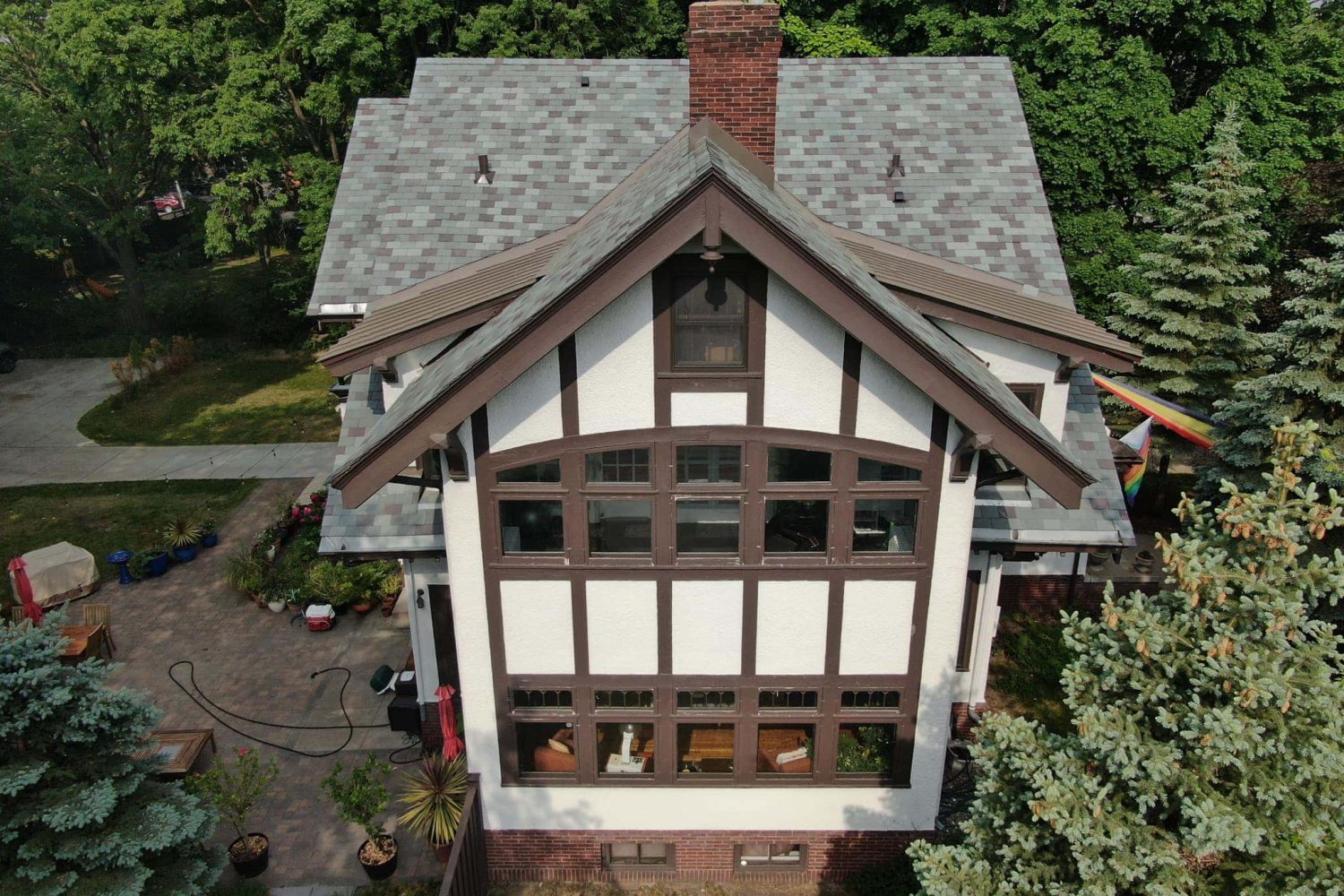
Minnesota storms don’t care if you’ve just washed your window glass. Hail, wind, and flying debris can ruin a home’s windows in no time. Fortunately, impact resistant windows, also known as stormproof windows, are a popular upgrade for local properties. With the right impact-rated windows, you can protect your home from most Minnesota storm risks. Plus, you’ll keep more heat inside during winter.
In this article, we’ll explain why impact resistant windows are the best choice to protect your home from Minnesota winters.
How “Impact Resistant” is Defined
Impact resistant windows use a combination of glazing and framing systems that spread and absorb force instead of cracking or popping out of the frame. These impact glass and frame combinations are designed to hold together, even if hail or debris damages the glass, offering excellent hail and windborne debris protection.
Laminated Glass and How It Holds Together
Laminated glass features two sheets of glass bonded together with an interlayer. The most common interlayer is made of polyvinyl butyral (PVB), a type of plastic film. When an object strikes the outer layer, the inner interlayer holds the two pieces together.
The Pattern on Laminated vs. Tempered Glass
When comparing tempered vs laminated glass, the difference is in how they behave under stress. Tempered glass (found in most standard windows) is designed to crumble when it’s hit. It’s much safer than ordinary glass but isn’t likely to stay in place. By contrast, laminated glass stays together after impact because it remains bonded to the interlayer.
Edge Strength and What a Cut Edge Means
Cut and sealed edges make it harder for a window to delaminate or leak moisture. Well-installed and high-quality impact windows have a production process where cut edges are sealed tightly in place.
Ratings and Labels Explained
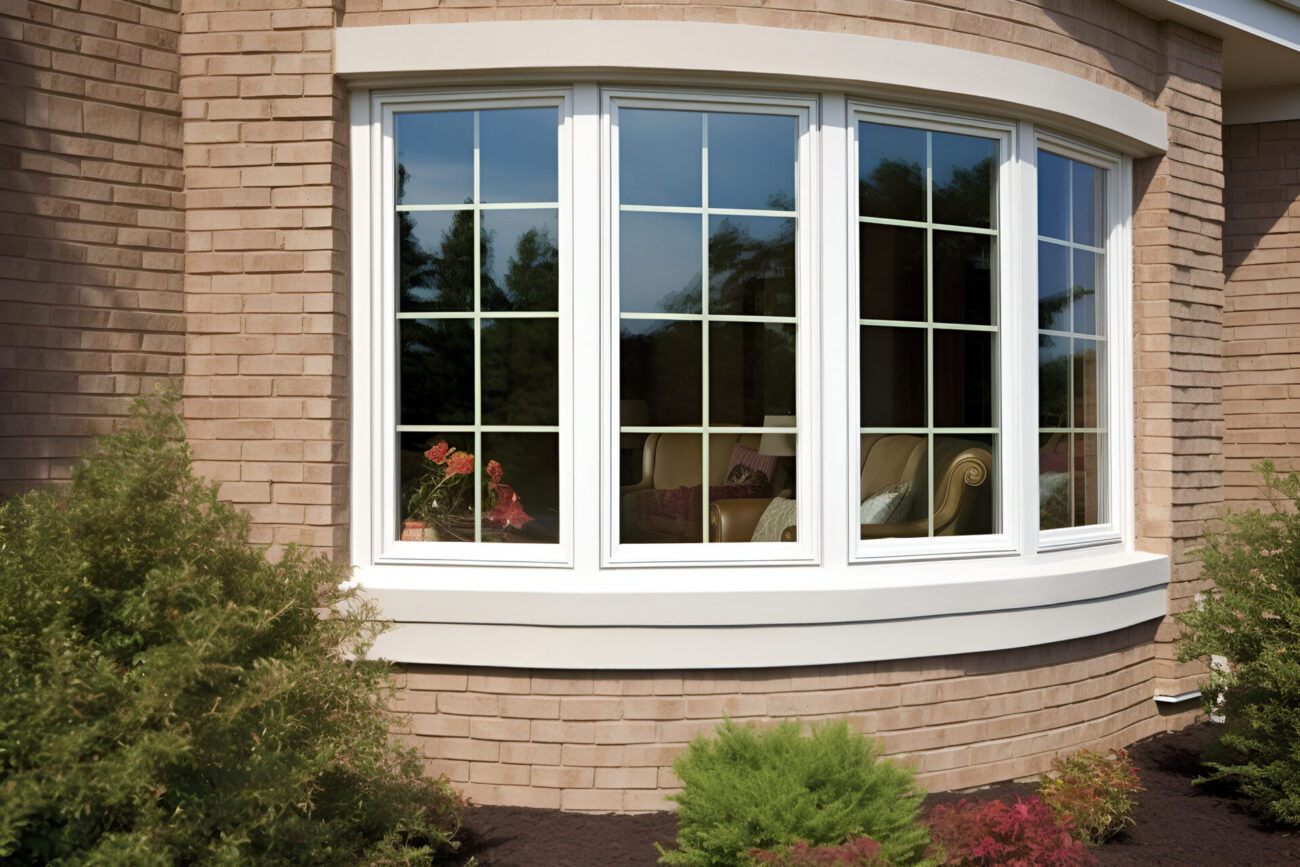
Before you pick out new impact resistant or replacement windows for your home, learn what’s printed on the manufacturer’s label. Numbers and acronyms mean something to you, as they represent an engineered resistance to real-world Minnesota weather.
DP vs. Impact (Missile) Ratings
DP ratings and impact ratings both measure performance, but in different ways. Design Pressure (DP) is a measure of the wind load (pounds per square foot) a window can withstand without failing. Impact ratings explain whether a product can stand up to “large missile” and “small missile” tests.
When choosing new windows, check out Summit Construction Group’s window options to see products that meet Minnesota building codes and offer certified DP ratings and impact resistance.
Air Infiltration & Water Penetration Labels
Air and water resistance is another critical label you should understand. The lower the air infiltration number, the fewer drafts your family will feel in winter. This translates into better energy efficiency in winter. A high water penetration rating means less leakage through the glass, which helps during heavy rain or snowmelt.
Frame, Spacer, and Seal Performance
Frame Material Choices
Impact windows use reinforced fiberglass, vinyl, or aluminum-clad wood frames. Fiberglass won’t warp over time. Vinyl is cost-effective and insulates at a reasonable price point. Aluminum-clad wood offers better curb appeal with sufficient weather performance.
Warm-Edge Spacers and Seal Durability
“Warm-edge” spacers between glass panes reduce condensation build-up and wear over time. Minnesota’s temperature variations can reach from -20°F to well over 100°F in summer. Good seals and spacers can limit seal failures and frame cracks.
Importance of Proper Installation
Even the best products fail without correct window installation best practices. Installers must set windows square and plumb when installed. Lopsided windows change how the glass and seals handle wind load. In some cases, an incorrect installation can void impact ratings and warranty.
Weather Impacts and Failure Points
Hail and Wind Damage Scenarios
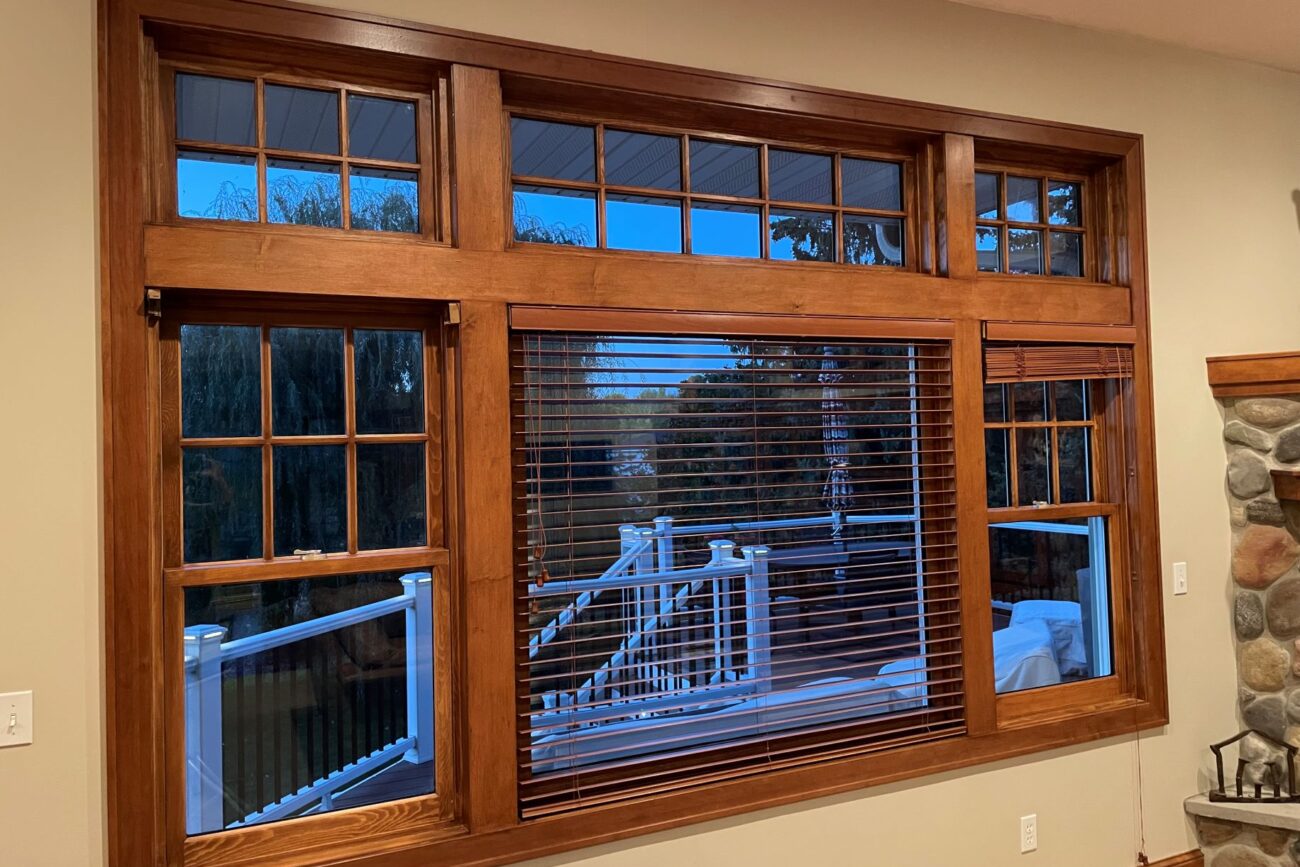
Minnesota hailstones can grow up to 1.5 to 2 inches in diameter. While laminated glass can absorb the energy of a direct hit, glass alone can’t stop large hail. Flying shingles, sticks, and gravel can also cause major damage, making hail and windborne debris protection essential.
Pressure Cycling Effects on Homes
Winter storms and blizzards create rapidly shifting air pressure around the home. Laminated glass with strong spacers and airtight seals resist “pressure cycling,” where repeated expansion and contraction causes seal failure or frame cracks.
Mapping Windows’ Exposure to Weather
West- and south-facing windows typically see more wind and sunlight. Homes on open fields or corner lots have higher exposure to windborne debris. Second-story and upper-story windows are more exposed to wind loads.
Typical Points of Failure on Standard Windows
Standard windows typically break due to bead blow-outs, cracked seals, or sash deflection. Thicker sashes, reinforced corners, and more-flexible sealants allow impact windows to handle this damage. Schedule a window assessment and learn about impact and energy options.
Balancing Energy Performance with Strength
Energy performance and impact protection complement each other. They’re especially important for Minnesota, where winters are heating dominant.
Winter Energy Comfort Levels
Look for U-factors of 0.30 or less for winter performance. Low-E coatings bounce radiant heat back inside and limit air infiltration and U-factor losses that can cause drafts and higher heating costs. Pair low-E and argon for cold climates to optimize insulation without darkening your home.
Filling Air Gaps with Argon or Krypton
Argon gas fills are standard for efficient double-pane windows. Krypton, while more expensive, performs well in smaller air spaces like triple-pane windows.
Comfort & Condensation Control Details
Thicker impact glass will stay warmer on the inside. Warmer glass temperatures reduce condensation and drafts, which is a nice bonus with warm-edge spacers and humidity control.
Frame and Hardware Choices that Last
Trade-Offs Between Frame Materials
- Fiberglass: Durable, paintable, and stable through temperature changes.
- Vinyl: Cost-effective and low maintenance, but may become brittle in extreme cold if not well-made.
- Aluminum-clad wood: Offers traditional looks with some interior wall cavity warmth but requires moisture management.
These frame materials (fiberglass, vinyl, aluminum-clad) determine longevity and aesthetics.
Hardware and Weatherstripping Details
Multiple locking points and quality hardware work best for casement and awning style windows. Replaceable gaskets and sweeps provide an airtight seal, and they’re easier to maintain and replace long term.
Installations That Keep Ratings Intact
Window Opening Prep and Flashing Install
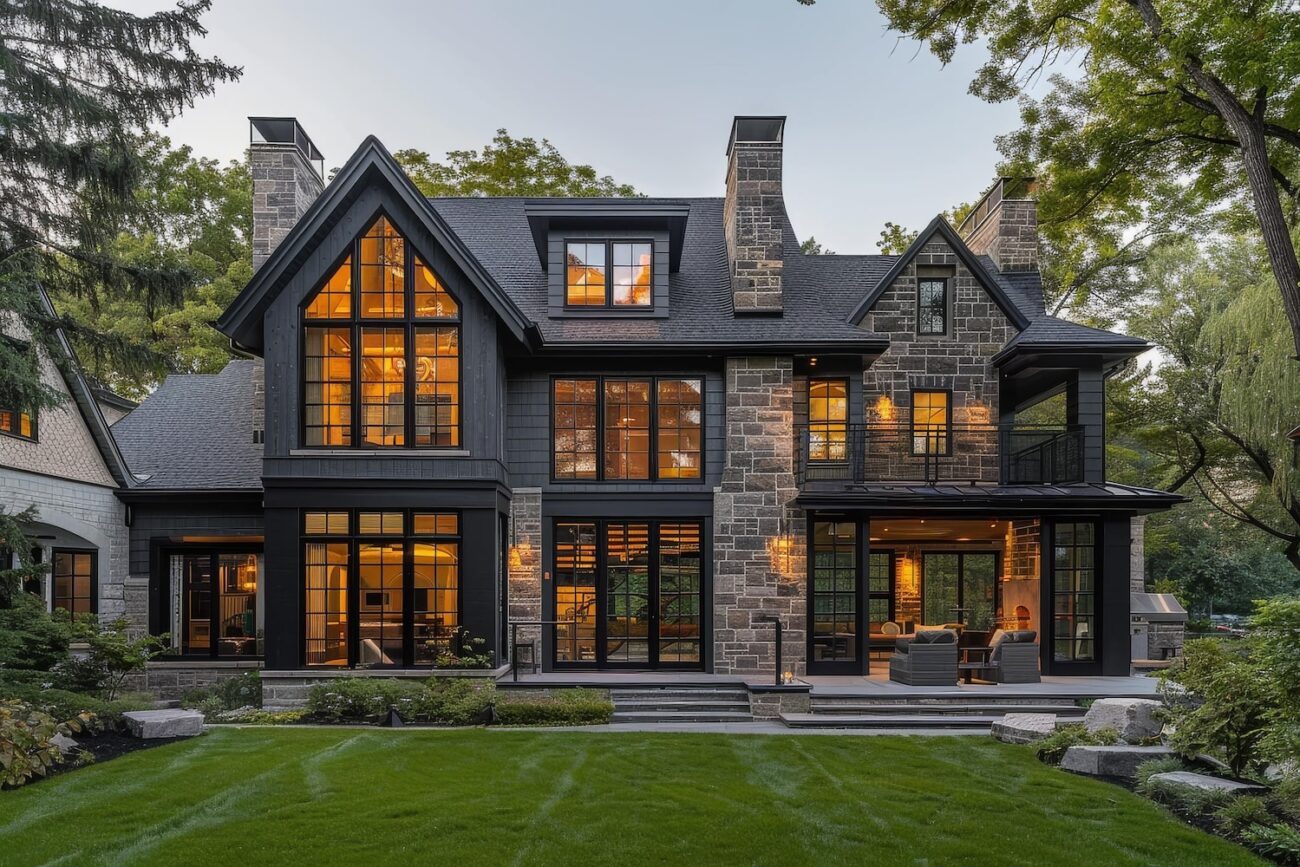
Installers should use sill pans, flexible flashing tape, and WRB that overlaps shingle-style. The correct fastener schedule and shims spread loads and resist racking.
Air and Water Seal Quality
Interior air seals and exterior water seals should be applied in a specific order. If reversed, moisture becomes trapped in the wall. Sealants and backer rods must be rated for sub-zero performance and flexibility.
Price Ranges and Pricing Factors
What Affects Window Prices
Replacement windows cost factors include size, frame material, glass package, interior trim, exterior finishes, and custom color. Full-frame replacements cost more but allow better insulation and flashing.
Where You May Find Savings
Homeowners typically recover their money through insurance discounts for impact windows, possible utility rebates, and long-term maintenance costs. A few qualify for federal/state energy tax credits.
Caring, Maintaining, and Lifespan
Regular Maintenance Checks
Inspect windows twice per year. Look for signs of gasket compression, latch alignment, or fog between interior glass panes. Clean laminated glass with mild soap and soft cloths, not razor blades which can scratch the interlayer.
Serviceable Parts on Impact Windows
Weatherstrips, balances, and hardware may need replacement over time. Many impact-resistant units use modular parts to make this service easier.
When Impact Resistant Windows Are a Good Fit
Quick-Decision Homeowner Scenarios
You’ll benefit from impact windows if:
- Your home has a recent hail damage claim
- Large or unstable tree canopies are nearby
- Your house faces an open prairie
- You value child safety and noise reduction as additional benefits
Signs That Say “Upgrade Now”
Redesign your windows if you experience recurrent seal failures, sagging frames, or water entry. These indicate structural weakness and energy loss.
FAQs
Are Impact Resistant Windows Worth It in Hail Areas?
Yes, especially in hail-prone areas like Minnesota. Impact, or stormproof windows, prevent interior damage, help maintain insurance coverage compliance, and reduce storm anxiety. They also help increase resale value.
Tempered vs. Laminated: Which is Better?
Tempered glass cracks but falls apart on impact. Laminated glass holds together, keeping wind and water out. That makes it the superior option for impact protection.
Do Impact Windows Improve Energy Efficiency?
Yes, they do. Laminated glass with Low-E coatings and argon gas improves insulation and cuts drafts. You should notice warmer rooms and lower heating bills.
Can Impact Glass Fit into Existing Window Frames?
Yes, if the existing frame can handle structural and depth requirements. Otherwise, a full-frame replacement will allow proper sealing and load distribution.
How Long Do Impact Windows Last?
High-quality impact windows last 20-30 years or longer. Poor installation, unapproved cleaning methods, or structural shifts can void warranties, so use only certified installers.
Why Choose Summit Construction Group
Summit Construction Group is a local, certified construction contractor that follows Minnesota building codes for DP ratings, energy efficiency, and window installation best practices. For full home protection, contact Summit Construction Group to pair your impact resistant windows with siding that integrates cleanly with trim and gutters designed to manage ice and splashback. Learn more about our window options and roofing services. Explore our gallery of past projects, and visit our blog for more home protection tips.