

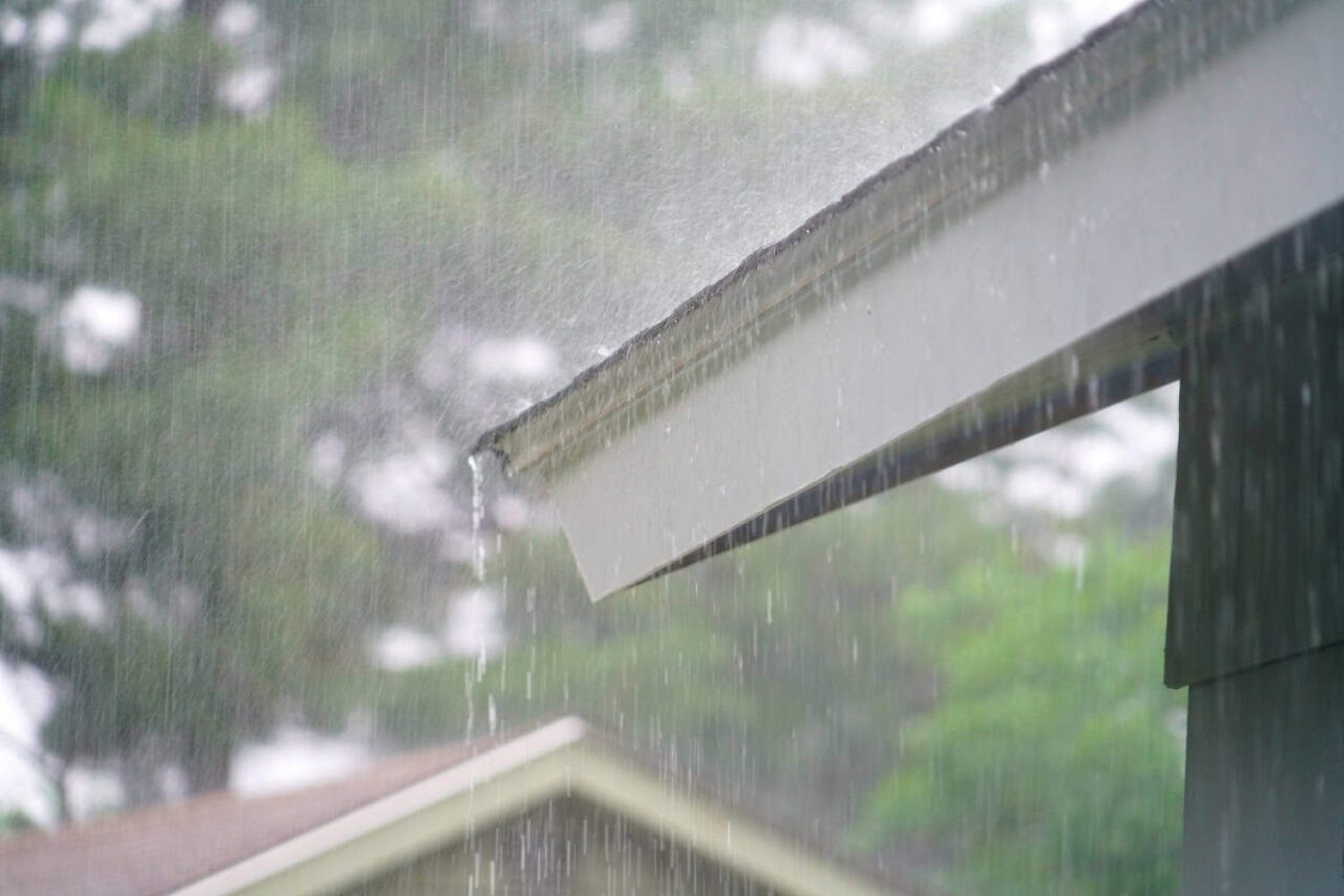
The roof is where extreme weather impacts a home first, and coincidentally, it’s also the place where damage and leaks appear first. Homeowners looking for a storm resistant roof are generally not looking for something “disaster-proof,” but rather a realistic upgrade that reduces the risk of damage, limits water intrusion, and makes repairs less catastrophic when storms or wildfires do hit. No roof can stop every extreme weather event, but smart upgrades can significantly reduce the odds of expensive, disruptive failures.
This guide takes a practical, grounded approach to roofing for extreme conditions. For many homeowners, preparing for natural disasters starts after a close call, like missing shingles, interior leaks, or smoke damage that reveal just how vulnerable a roof can be. Other homeowners may be planning for the future, hoping to make smart improvements before the next storm season or wildfire threat arrives. We’ll cover the two areas homeowners ask about most: storm and wind resistance and fire resistance. Throughout the guide, we’ll set clear expectations, look at why roofs fail, and highlight how targeted improvements, done at the right time, can meaningfully reduce risk.
Before we start, one big idea to keep in mind throughout your reading is that a roof is a system, and every part of the roof plays a role in how it performs under stress. Roof underlayment, flashing, vents, and fasteners all contribute to the ability of your home to resist damage from storms or wildfires. It’s important to understand these components so you can make the right decisions about materials and installation, as well as when repairs or maintenance should be performed. A few well-placed upgrades can save significant amounts on repair bills and provide peace of mind when bad weather comes around.
Summary of Key Points
- Most roof failures during storms or wildfires happen due to small, overlooked weaknesses such as loose fasteners, inadequate flashing, or aging materials.
- To make a roof more storm-resistant, upgrades like impact-resistant shingles, better roof deck fastening, sealed roof decks, and secure roof-to-wall connections all play critical roles in limiting damage.
- In wildfire-prone areas, Class A fire-rated materials such as metal, clay tile, or engineered synthetics provide better protection, especially when combined with proper installation and routine maintenance like clearing debris and sealing roof edges. The best time to make these improvements is during a roof replacement, major repair, or remodel, ideally tailored to your region’s specific weather risks.
- Ongoing roof maintenance—like seasonal inspections, cleaning gutters, and addressing small issues early—is essential to maximize the effectiveness of any storm- or fire-resistance upgrades.
Why Roofs Fail in Extreme Conditions
Roof failures during natural disasters don’t usually come down to one dramatic moment. Instead, it’s often the result of small weaknesses under stress.
1. Rain and Hail
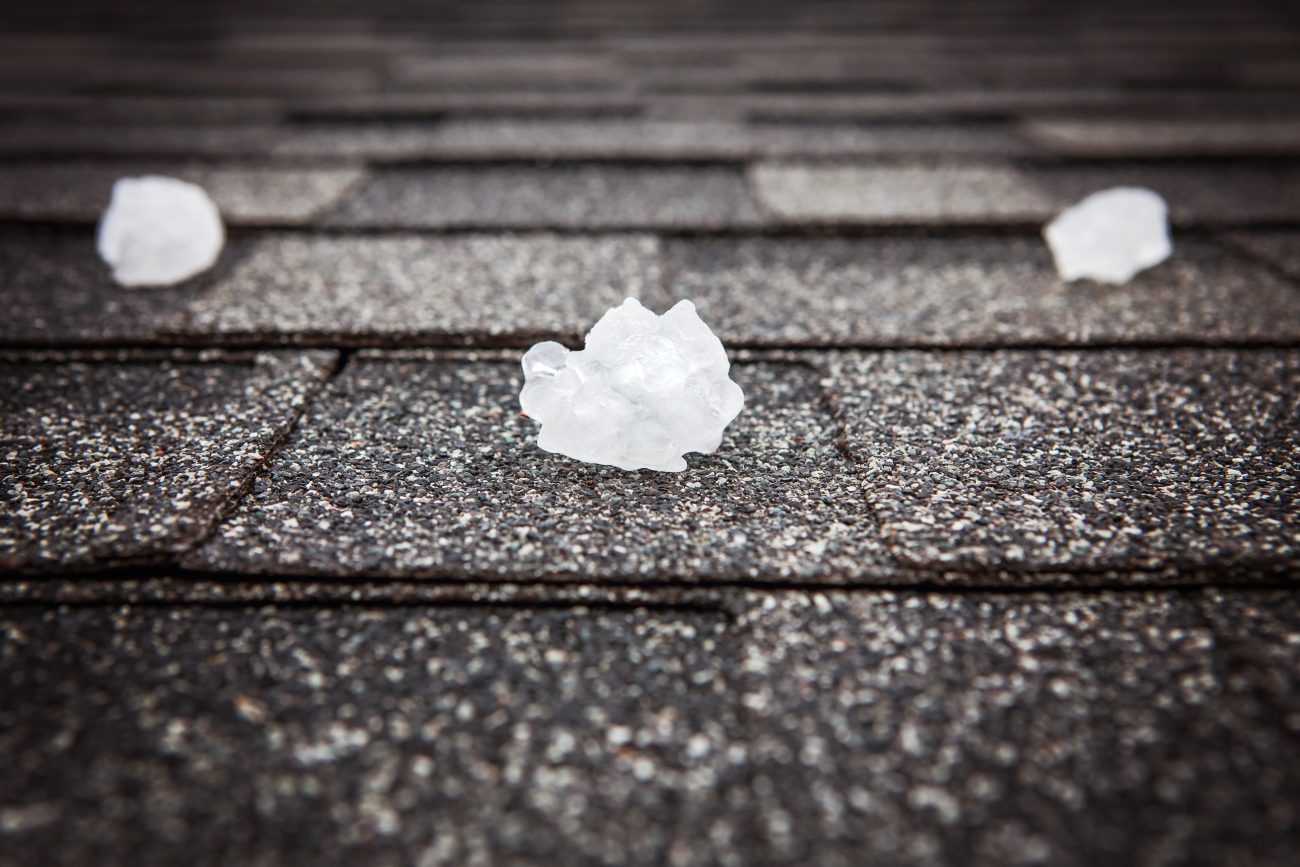
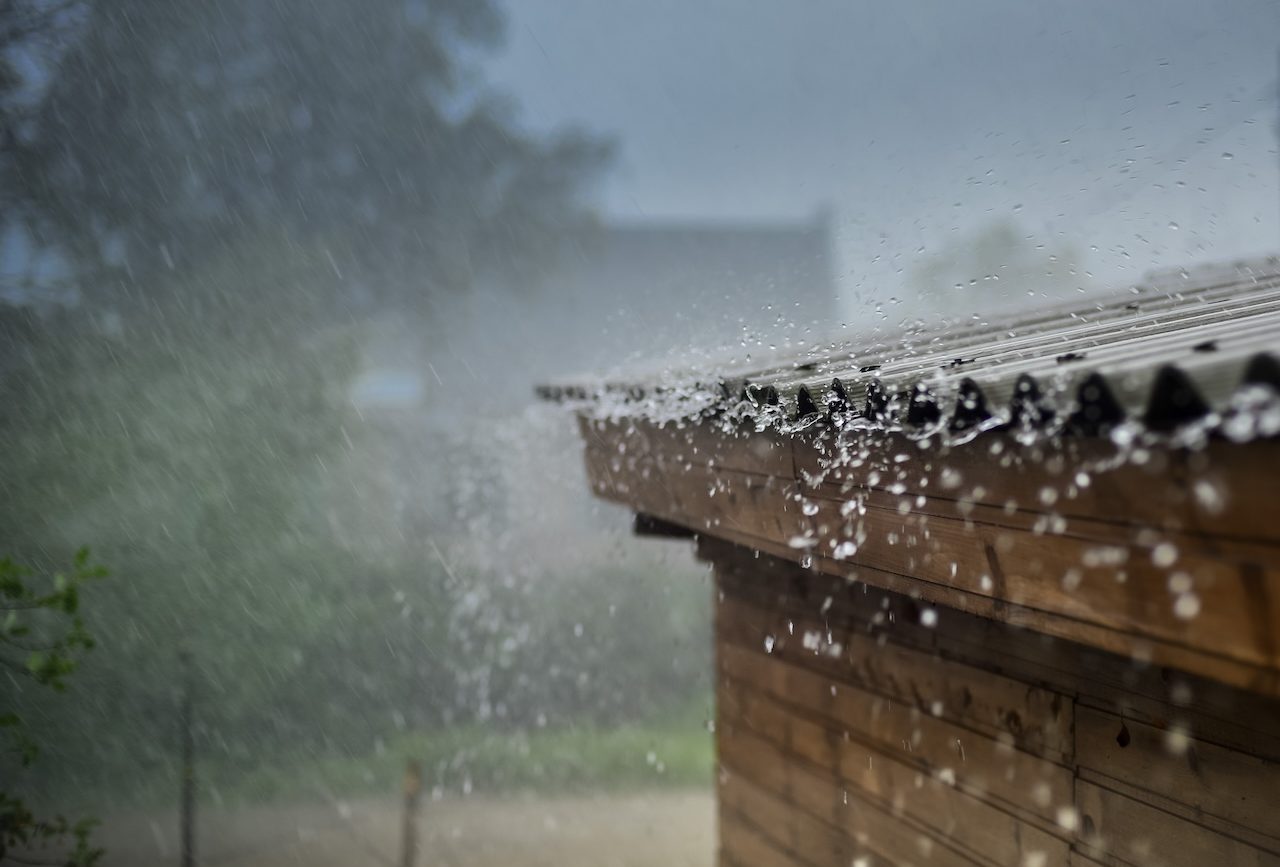
Heavy rain exposes weak spots in flashing, underlayment, and valleys. Hail can bruise or crack shingles, causing weak spots that may not leak immediately but fail months later.
2. Wind Uplift and Pressure Changes
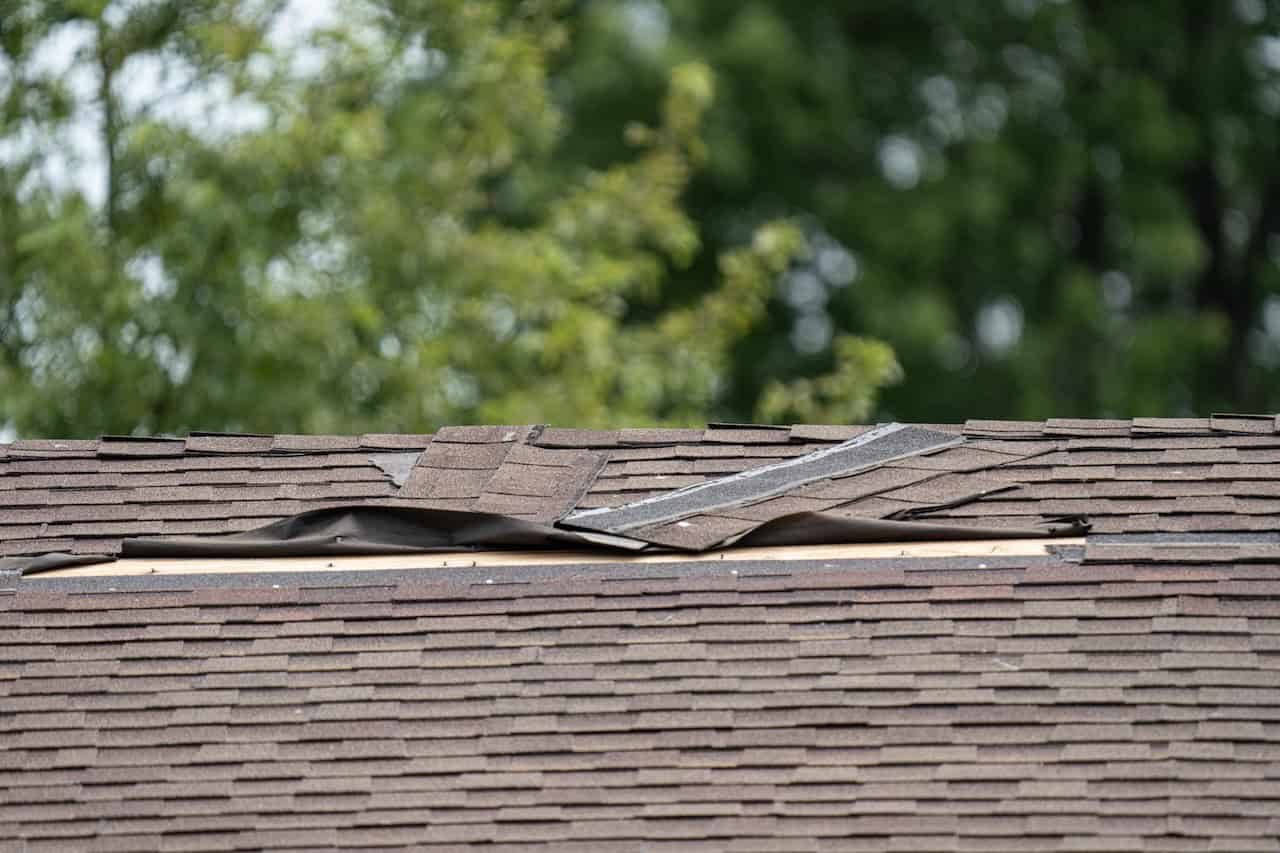
High winds push down and pull up on a roof. As wind moves over the roof, pressure changes create uplift forces that can peel shingles away, and in extreme cases, even compromise the roof deck itself. Connections between the roof and walls are a common failure point in these cases.
3. Embers and Surface Ignition During Wildfires
In wildfire conditions, most homes ignite because wind-blown embers land on the roof, collect in valleys, or make their way into vents and eaves.
Across all these scenarios, two themes repeat: roof reinforcement and strong roof-to-wall connections matter as much as the outer roofing material. In many post-storm inspections, damage traces back to overlooked details, like fasteners that pulled loose, unsealed joints, or aging materials that no longer perform as intended under stress.
Understanding your roof’s existing vulnerabilities helps you prioritize improvements instead of guessing, so before you plan to make roof upgrades, schedule a professional inspection with Summit Construction Group.
How to Make Your Roof Storm-Resistant
Storm resistant roofing and wind resistant roofing both focus on how well the roof system stays attached and sheds water during stress. As a homeowner, it’s important to keep expectations realistic. These upgrades don’t eliminate damage in every situation, but they do slow failure, limit water entry, and reduce the scope of repairs when storms push a roof beyond normal conditions. Here’s how they work together.
1. Reinforced Shingles
Wind rated shingles or impact resistant shingles are usually tested for higher wind speeds or hail impact. Reinforced shingles use thicker mats, stronger adhesives, or modified asphalt to resist tearing and cracking. Although they’re not a silver bullet, they can help limit blow-offs and cosmetic damage.
If you’re replacing asphalt shingles, this is often the easiest improvement to make. Start exploring your options through Summit Construction Group’s Roofing Services to see what fits your climate and budget.
2. Roof Deck Fastening
The roof deck is the foundation that everything is attached to, with nail type, spacing, and fastening patterns affecting whether the deck stays attached during high winds. In storm-prone regions, tighter fastening schedules can make a big difference in performance.
 3. Secondary Water Barrier and Sealed Roof Deck
A secondary water barrier, often made with peel-and-stick underlayment or taped seams, helps prevent water intrusion if shingles are damaged or blown off. A sealed roof deck can be the difference between a manageable repair and widespread interior damage.
4. Hurricane Straps and Roof-to-Wall Connection
Hurricane straps reinforce the connection between the roof structure and the walls below, and are a critical component of a secure roof installation that helps prevent uplift during storms. This roof-to-wall connection is critical, since even the best shingles can fail if the structure beneath them lifts.
5. Roof Bracing and Gable End Bracing
Gable ends are especially vulnerable in wind events. Roof bracing and gable end bracing add rigidity, reducing movement that can lead to cracks, separations, and eventual failure.
Read More: How Weatherproofing Protects Your Roof from Harsh Climates
Storm-Ready Roof Checklist
Before storms arrive, this checklist indicates the core elements professionals look for when evaluating whether a roof is prepared for high-wind events.
- Wind rated or impact resistant shingles
- Proper roof deck fastening
- Secondary water barrier or sealed roof deck
- Secure roof-to-wall connections
- Hurricane straps (where applicable)
- Gable end bracing
- Flashing inspection and upgrades
- Clear drainage paths
- Scheduled roof inspection after storm events
Homeowners dealing with recent damage should visit Summit Construction Group’s Storm Damage Services page for next steps.
Fire-Resistant Roofing Materials
Fire resistant roofing materials and a Class A fire rating are especially important in wildfire-risk zones. A Class A rating indicates the highest resistance to fire exposure under standardized testing, but it’s only part of the picture.
Metal Roofing
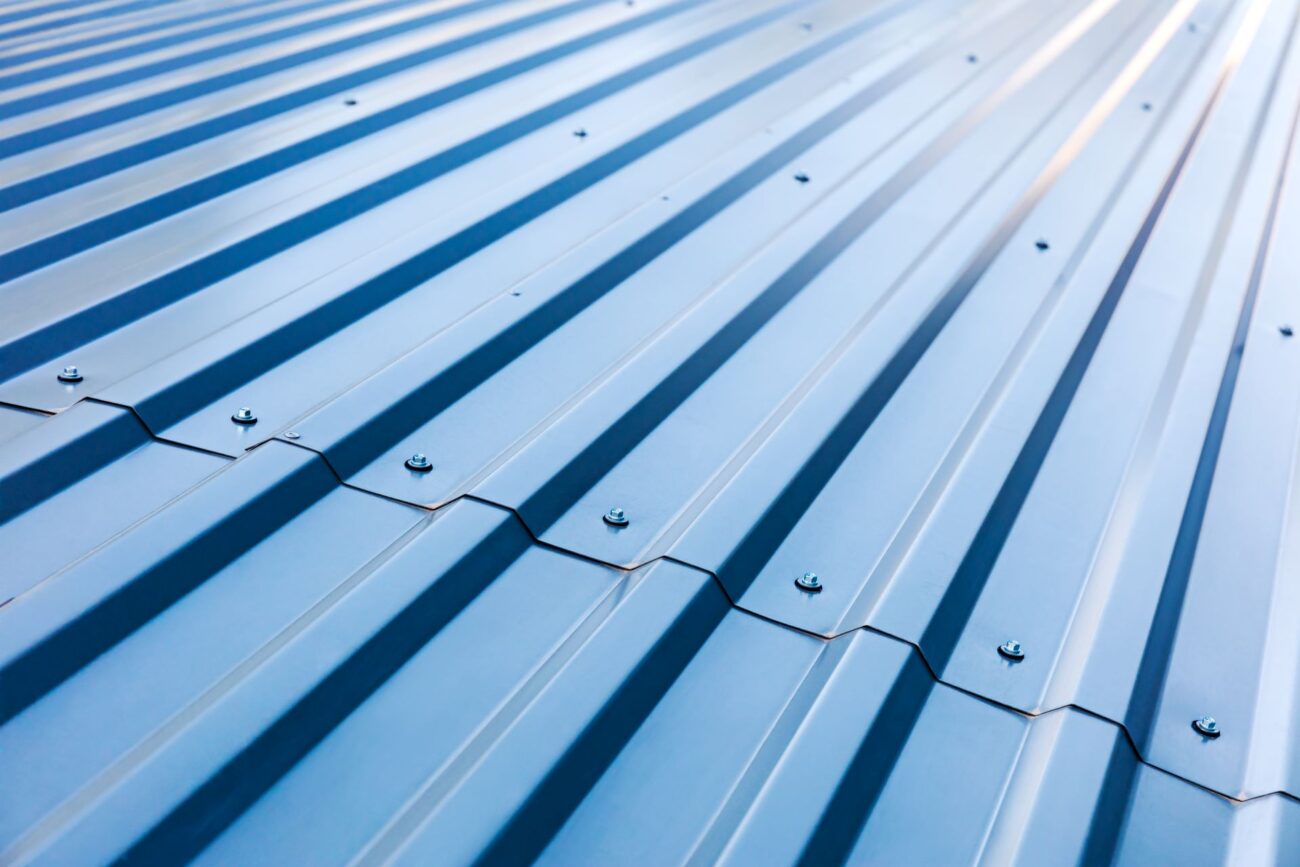
Metal roofs perform well in ember exposure because they don’t ignite. However, even metal roof fire resistance still depends on details like underlayment, edges, seams, and penetrations, which must all be installed correctly. Gaps can allow embers underneath the panels.
Read more about options and performance on Summit Construction Group’s Metal Roofing page.
 Clay Tile Roofs
A clay tile roof is non-combustible and often Class A rated. Tiles can perform well in fire conditions, but weight and installation quality matter. Broken or poorly fitted tiles can create openings where embers collect.
Synthetic Roofing Materials
Some synthetic and lightweight roofing materials are engineered for improved fire performance, making them easier to install while maintaining strong resistance. A synthetic roofing fire rating can help buyers compare options, but it’s important to confirm that the entire assembly, not just the surface, meets fire resistance goals. Read more about Synthetic Slate and Shake products.
Practical Wildfire Roof Preparation
When it comes to wildfire risk, small maintenance and design details on the roof can make a big difference in how a home responds to ember exposure.
- Keep roof surfaces and valleys clear of debris
- Clear gutters regularly
- Watch vulnerable areas, like vents, eaves, edges, and transitions
- Install ember resistant vents where possible
Honesty matters here: surface fire resistance alone won’t stop fire spread. Installation details and ongoing maintenance are just as important.
Choosing the Right Approach for Your Home
Not every home needs every upgrade. The smartest approach matches improvements to your primary risk.
High Wind and Hail Focus
- Reinforced or impact resistant shingles
- Improved roof deck fastening
- Sealed roof deck
- Bracing and secure roof-to-wall connections
Wildfire Focus
- Class A fire-rated roof covering
- Clean, simple rooflines
- Protected vents and edges
- Ongoing debris management
Upgrade Timing Comparison
| Risk Type | Best Upgrades | Best Time to Do It |
| Wind & hail | Reinforced shingles, deck attachment, sealed deck, bracing | Roof replacement or major repair |
| Wildfire | Class A materials, ember protection, clean details | Replacement or planned remodel |
| Mixed risk | Combination of both | Inspection-driven planning |
If you’re unsure where your roof stands, a professional assessment can help you determine priorities before you commit to a roof retrofit.
Maintenance Habits That Protect Your Investment
Even the best upgrades perform better with consistent care. Roof storm protection and maintenance is an ongoing process that involves:
- Seasonal Checks: Look for loose shingles, debris buildup, and flashing movement.
- Gutters and Drainage: Clear flow prevents water backup under shingles.
- Flashing and Penetrations: These small areas cause many big leaks.
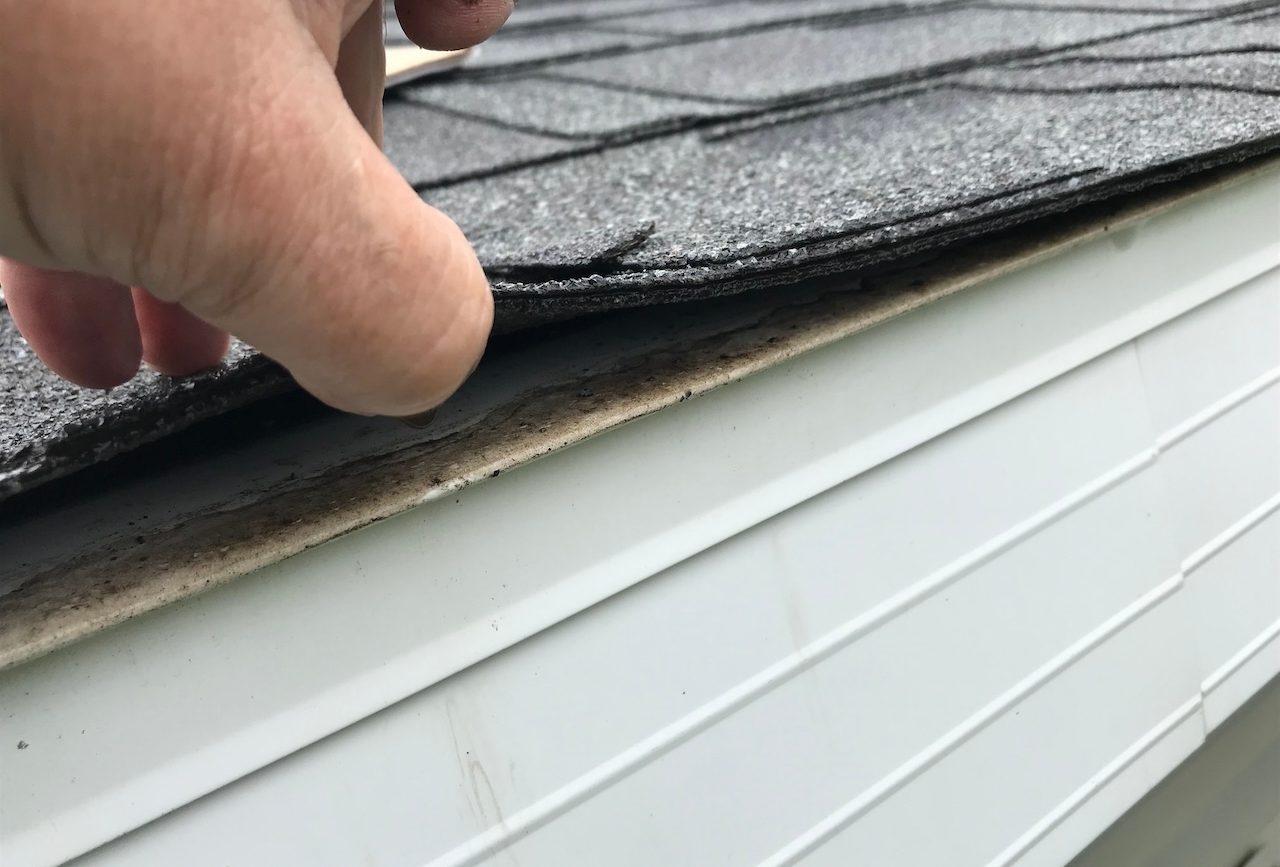
- Know When Small Issues Grow: Minor cracks or lifted shingles after storms should trigger a roof inspection.
Many major roof failures begin as small, visible issues that are easy to miss or postpone. This makes routine attention one of the most cost-effective roof protection strategies available to homeowners. Read answers to some of the most asked questions in our Roofing FAQ.
FAQs
1. What is the fastest upgrade that helps a storm resistant roof?
Improving underlayment and sealing the roof deck during a repair or replacement delivers fast benefits.
2. Are hurricane straps worth it during a roof replacement?
Yes. They strengthen the roof-to-wall connection, which is important in high-wind events.
3. What is a sealed roof deck and when does it matter?
A sealed roof deck is a system that limits water intrusion if shingles are lost, which is particularly valuable in severe storms.
4. Do impact resistant shingles prevent hail damage completely?
No. They reduce damage risk but don’t eliminate it.
5. What does a Class A fire rating mean for roofing?
It’s the highest standard for surface fire resistance under testing conditions.
6. Is a metal roof always the best option for wildfire risk?
Often, but only when properly detailed and installed.
7. Can an older roof be retrofitted for better wind resistance?
In many cases, yes, and especially with improved fastening and bracing.
8. What should be checked during a roof inspection after storm damage?
Shingles, flashing, deck attachment, gutters, and interior signs of leaks.
9. How often should roof bracing and connections be inspected?
During major inspections and after significant storm events.
 Protect Your Home With a Strong Roof
Preparing your roof for extreme conditions is about stacking the odds in your favor. Strong connections, smart material choices, and consistent maintenance all work together to reduce damage and recovery costs. Whether you’re focused on wind, hail, or fire risk, the most effective upgrades treat the roof as a complete system. If your home has experienced storms before, or if your roof is aging, now is the right time to assess its readiness.
A professional inspection from Summit Construction Group can help you plan realistic improvements and move closer to a truly storm resistant roof. To get started, request a storm damage consultation today to see where targeted upgrades can make the biggest difference.