

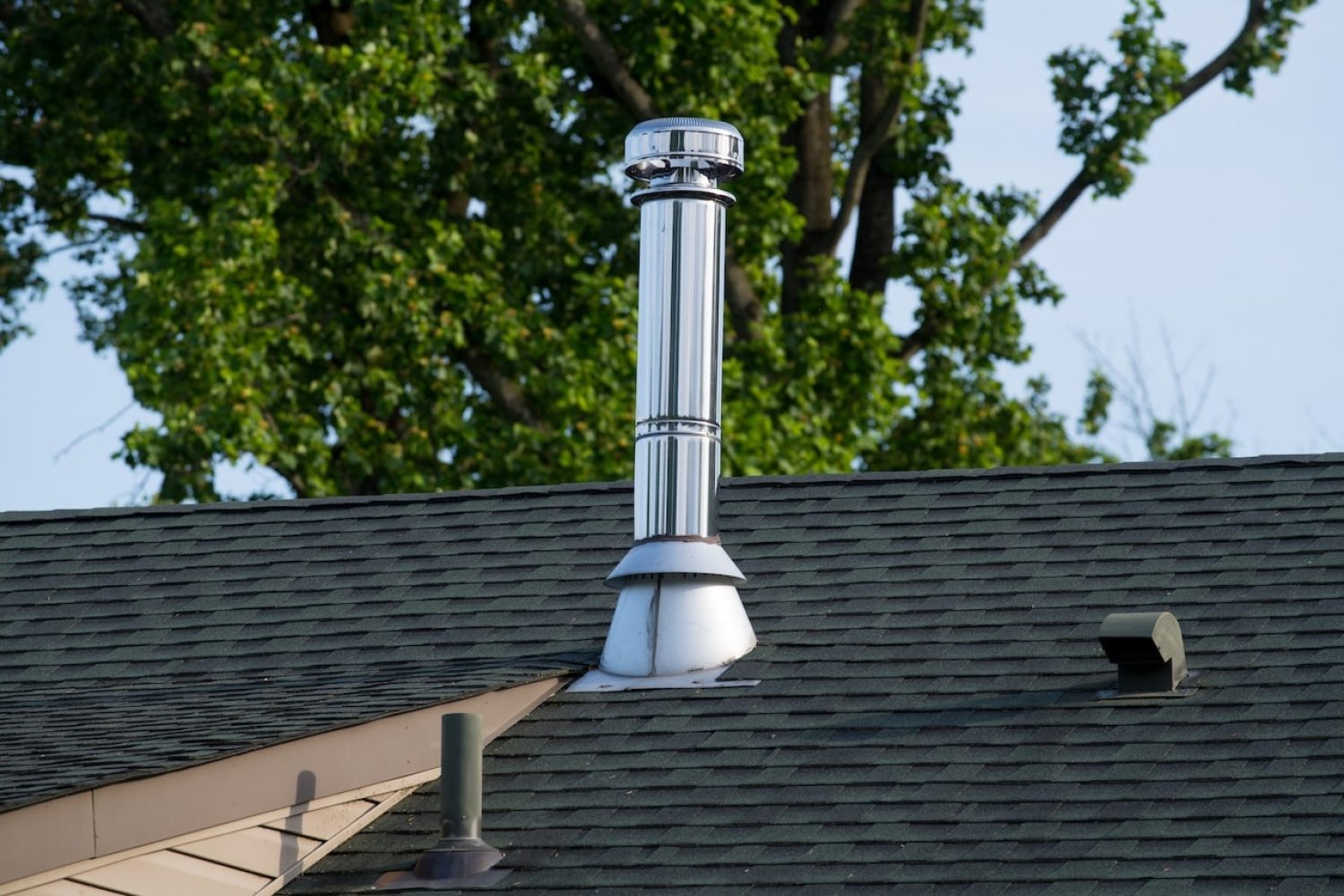
Homeowners should think of roof vents as a down payment on their roof’s longevity and efficiency. Unfortunately, they are oftentimes overlooked or misunderstood, sometimes due to lack of knowledge, sometimes for budgetary reasons. The reality is, while a well-ventilated roof can last 15-20 years or more, a poorly ventilated roof can have its lifespan cut in half with repair bills that dwarf the cost of properly sizing and installing vents. All property owners need to be aware of attic ventilation importance and how roof ventilation works to protect their property and investment.
In this article, we’ll cover vent types, sizing, maintenance, and how Summit Construction Group can help protect your roof investment.
The Science Behind Roof Ventilation
Proper roof ventilation prevents condensation in attic spaces that can damage roofing materials and insulation, and it is based on three fundamental concepts: temperature control, moisture management, and airflow dynamics.
During the hot summer months, warm, humid air trapped in the attic space can create a damaging environment. Attic temperatures can easily exceed 150°F, radiating heat downward and making air conditioning work harder. In the winter, warm indoor air rises to meet cold roof decking, condensing into moisture that promotes rot, mold, and deterioration.
This natural phenomenon, known as the stack effect, creates pressure differences that passive roof ventilation takes advantage of by placing intake vents low (soffits) and exhaust vents high (ridge or near the peak), creating continuous airflow that removes heat and moisture naturally.
Proper ventilation helps prevent extreme temperature fluctuations and condensation that deteriorate roofing materials from the inside out. Excessive attic heat can prematurely age asphalt shingles, causing adhesive strips to fail, shingles to curl, crack, or lose granules. Poor ventilation also contributes to ice dams in the winter when heat escapes through the roof, melting snow that refreezes at eaves, backing water under shingles.
Read More: Top 12 List of Most Sustainable Roofing Materials
Types of Roof Ventilation Systems
Understanding the different roof ventilation system types available helps homeowners make the right decisions about their roofing investment. Each vent type has advantages depending on roof design, climate, and budget.
If you’re not sure which vent system fits your roof, contact Summit Construction Group for a professional evaluation.
Read More: Most Common Roof Types
Ridge Vents and Soffit Vents: The Dynamic Duo
When it comes to ridge vents vs soffit vents, it’s not really a case of choosing one or the other because these two systems are better when they are combined.
Ridge vents run continuously along the roof peak and provide passive ventilation as a convenient source of hot air exhaust for your roof. Soffit vents are installed under the eaves and act as intake vents, pulling cool air into the attic. Ridge and soffit vents that work together is the most effective passive ventilation system that provides consistent airflow and temperature control throughout the attic. This combination prevents extreme temperatures and condensation that cause shingles to age prematurely, and also reduces the risk of ice dams forming in the winter.
Turbine Roof Vents and Their Applications
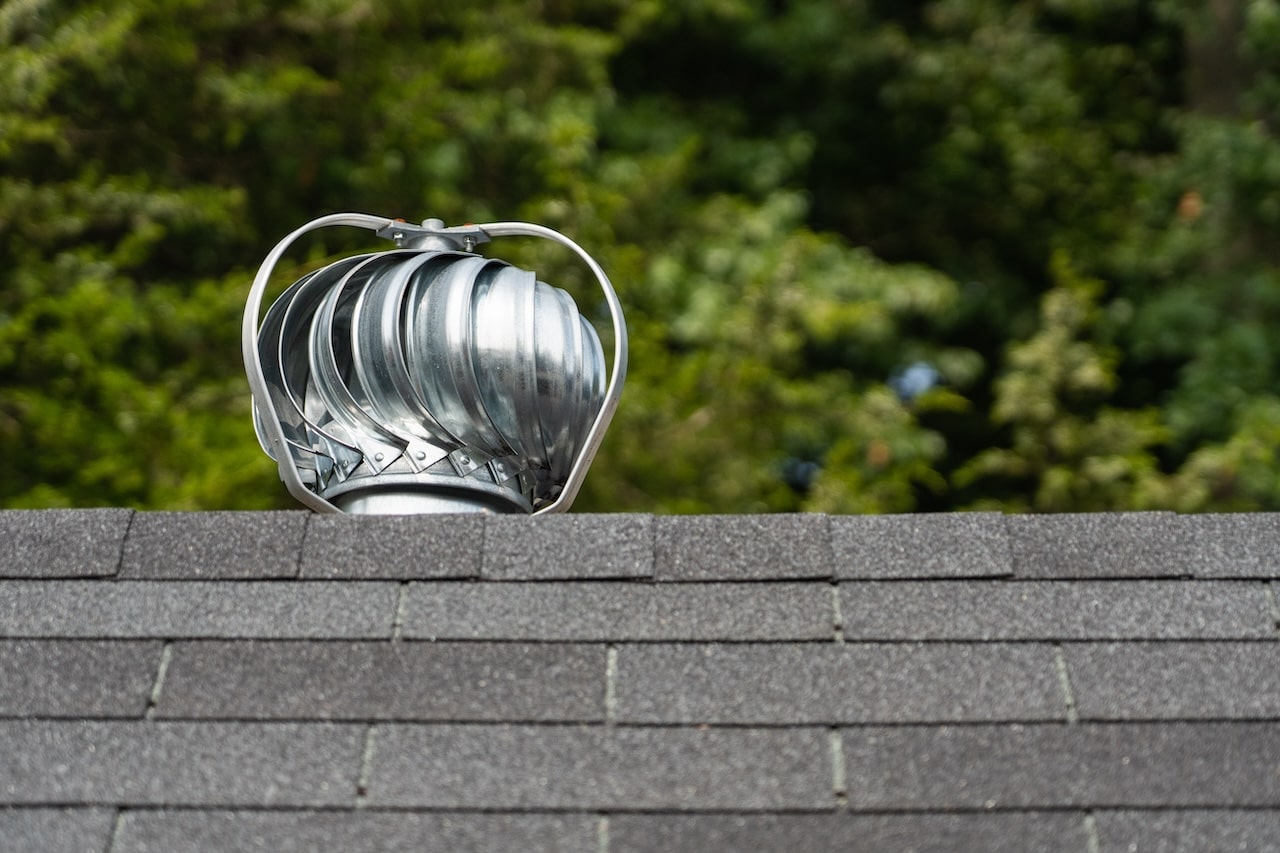
Turbine roof vents spin when the wind hits them, drawing air out of the attic without electricity. They are inexpensive but very visible, have moving parts, and may not work on calm days with little or no wind. Turbine vents work best when used to supplement passive roof ventilation systems or for specific roof sections that require extra exhaust capacity.
Gable Vents and Static Vents
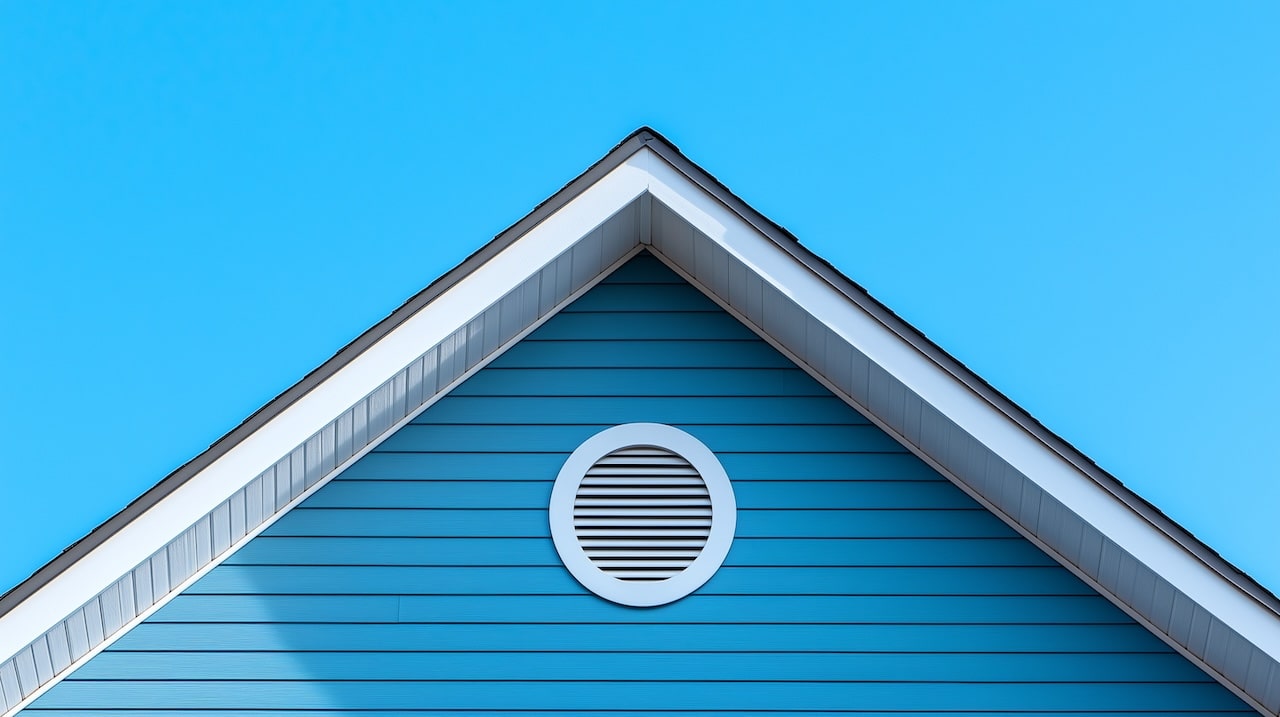
Gable vents provide cross ventilation when two are positioned opposite one another, a common practice on older homes. Static vents (box vents or turtle vents) are small vents located near the ridge, offering very limited exhaust coverage. When comparing a gable vent vs ridge vent, you likely want to know which is best. Ridge vents and ridge and soffit combinations almost always outperform gable vents and static vents due to the continuity of the coverage and more consistent airflow.
Which Vent Is Best Suited for My Roof Pitch?
The best roof vent type often depends on your roof’s slope, design, and local climate. For steep-pitch roofs, ridge vents combined with soffit vents give the best continuous airflow. Shallow-pitch or low-slope roofs often see more benefit from turbine vents or powered vents, or strategically placed static vents to supplement airflow. Gable vents work very well when cross-ventilation is a possibility, especially on older homes. A professional assessment from Summit Construction Group is one of the best ways to make sure your roof gets the proper balance of ventilation for its pitch and layout.
Active Roof Ventilation Systems
Powered attic ventilators are powered by electric fans or solar panels and are used to exhaust hot air in extreme climates or when passive ventilation alone is not cutting it. The main problem with powered attic ventilators is they add complexity, maintenance, and potential energy consumption to the equation, so professional evaluation is recommended before deciding to add them.
Sizing & Vent Balance
Proper roof airflow design ensures balanced roof ventilation, which is key to preventing heat buildup and condensation in the attic.
Building codes suggest one square foot of ventilation net free area (NFA) per 150 square feet of attic space, split 50:50 between intake vs exhaust vents. Many homes have adequate exhaust vents but limited soffit intake which creates negative pressure that pulls air out of living spaces instead of from outside.
To figure out how much vent NFA is needed, measure the attic floor area, considering screen and louver restrictions. Professional contractors like Summit Construction Group can evaluate your current system and recommend the right vent sizes and placement. Homes that are well-insulated with vapor barriers sometimes use a 1:300 ratio, but this should only be done with professional guidance.
Warning Signs of Poor Roof Ventilation
Homeowners should look out for the following signs of poor roof ventilation:
- Moisture control attic issues: Water stains on sheathing, moisture on rafters, visible condensation
- Ventilation for shingle roofs problems: Warped or damaged shingles, curling, cupping, or premature deterioration
- Ice dam prevention warning signs: Icicles or ice ridges indicate heat escaping into the attic
- Excessive energy bills: Higher cooling costs due to hot attic temperature
- Rust on metal components: Attic nails showing signs of corrosion
- Visible mold or mildew in attic spaces
If you notice any of these signs, schedule an inspection with Summit Construction Group to prevent these minor issues from becoming major problems.
The Consequences of Poor Ventilation
Poor ventilation leads to:
- Accelerated roof moisture damage: Warping, deteriorating shingles, and rotting decking are all examples of poor ventilation. A 20-25 year roof can fail in 10-12 years, making proper ventilation necessary for roof lifespan extension
- Structural damage: Persistent moisture weakens rafters, trusses, and decking
- Insulation degradation: Wet insulation loses R-value and effectiveness, worsening heat transfer
- Increased repair costs: Small ventilation issues can balloon into $10,000+ repairs if not treated properly
- Voided warranties: Many shingle manufacturers require proper ventilation to honor warranties
Solving Ventilation Problems
Ventilation installation costs can range from $800-$2,500, which is far less than replacing a roof at the sum of $8,000-$25,000 or more.
But, the solution always depends on the situation. For example:
- Adding or upgrading intake vents: Continuous soffit vents ($6-$12/linear foot) improve airflow
- Ridge vent installation: Provides excellent exhaust, sometimes completed as a ventilation retrofit without full roof replacement
- Balancing existing systems: Assess and add intake/exhaust vents as needed
- Clear blocked vents: Baffles prevent insulation or debris from obstructing airflow
- Install power vents: Supplement passive ventilation with electric or solar fans if roof design limits NFA
Most upgrades can be completed without replacing the roof, though combining them with planned roof replacement often gives better results and value. Learn more in Summit Construction Group’s Roofing FAQs.
Maintenance and Longevity Tips
It’s important to make time for these simple ventilation maintenance tips that require little effort but offer a huge return in the end.
- Annual inspections: Check soffit and ridge vents for blockages or damage
- Clean gutters: Prevent water from backing up into soffit vents
- Verify insulation placement: Ensure airflow is not blocked
- Monitor performance: Watch for heat, moisture, or mold signs
- Professional inspections: Inspect every three to five years, or sooner if issues arise
Why Trust Summit Construction Group for Ventilation Work
Proper roof ventilation requires expertise beyond drilling holes. Summit Construction Group combines decades of experience and assesses roof pitch, attic design, climate, and existing ventilation to create custom solutions.
Our reliability stems from our comprehensive approach to every ventilation project. We don’t offer one-size-fits-all solutions. Instead, we perform thorough assessments of your specific roof design, attic configuration, and local climate conditions. Our team uses only quality products that meet or exceed manufacturer specifications and building codes, ensuring your investment is protected.
With services that include professional assessment, custom system design, expert installation, and ongoing maintenance support, Summit Construction Group provides complete ventilation solutions backed by our commitment to excellence. Learn more about Summit Construction Group’s company values.
 Frequently Asked Questions
What types of vents are common for roofs?
Typical roof vents include ridge vents (continuous exhaust along the roof peak), soffit vents (intake vents under the eaves), static vents (box or turtle vents located near the ridge), turbine vents (wind-powered spinning vents), gable vents (mounted on gable walls for cross-ventilation), and powered attic ventilators (electric or solar-powered fans). The best mix depends on your roof design, pitch, climate, and existing ventilation system. Ridge and soffit vents together usually offer the best passive ventilation solution.
How many roof vents do I need?
One sq ft of NFA for every 150 sq ft of attic space, 50% intake and 50% exhaust. Examples of vents are ridge, soffit, static, turbine, gable, powered.
Can bad roof ventilation cause damage to my home?
Yes, poor ventilation can cause moisture damage, premature shingle failure, wood rot, structural deterioration, mold, ice dams, and higher energy bills.
How will I know that my home has inadequate attic ventilation?
Signs include excessive heat, moisture or frost on rafters, warped shingles, ice dams, mold growth, higher energy bills, or rust on attic nails.
Can the ventilation be upgraded without having to replace the whole roof?
Yes, soffit vents, static vents, and gable vents rarely need roof replacement. Ridge vents may need the cap shingles taken off, but not full replacement. Bundling these with a roof replacement may have a better outcome.
How often should roof vents be inspected or maintained?
Inspect your roof visually at least annually. Professional assessments should take place every three to five years or when performance issues arise.
Protect Your Roof With Proper Ventilation
Proper roof ventilation protects your home and investment by controlling temperature, managing moisture, and maintaining airflow. Balanced intake and exhaust, the right vent selection, and regular maintenance can extend your roof’s lifespan, reduce energy costs, and prevent moisture damage.
Investing in proper roof ventilation now saves you thousands in repairs later and ensures your home stays comfortable and protected for years to come. Whether you need a full ventilation system overhaul, targeted improvements, or a professional assessment, schedule your roof ventilation evaluation with Summit Construction Group today.